Reentering the United States after being deported is a serious immigration matter governed by federal law rather than state law. Yes. In most cases, it is illegal to reenter or attempt to reenter the United States after deportation without first obtaining the required permission from the federal government. Although a person may wish to return to Pennsylvania, the same federal immigration laws apply in every state. Unauthorized reentry can result in criminal prosecution, removal from the country again, imprisonment, fines, and significant immigration consequences.
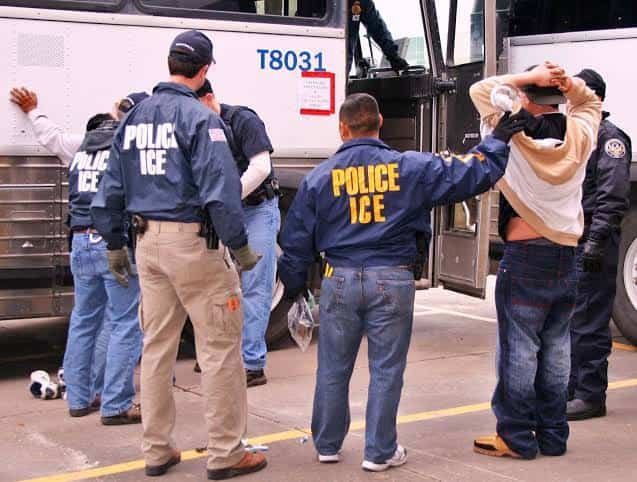
Understanding Deportation and Removal
Under U.S. immigration law, deportation—now commonly referred to as removal—is the legal process through which a non-citizen is ordered to leave the United States for violating immigration laws or committing certain offenses.
Once a removal order has been carried out, the individual is often prohibited from returning to the United States for a specified period. Depending on the circumstances, some people may face longer periods of inadmissibility or require special permission before they can lawfully return.
Is Reentering After Deportation Always Illegal?
Not necessarily. The law does not permanently prohibit every deported individual from ever returning to the United States. Instead, the legality of reentry depends on whether the person has obtained the required federal authorization and satisfies all applicable immigration requirements.
A person who returns after receiving the necessary approvals and following the proper legal process may be able to reenter lawfully. However, returning without authorization after deportation is generally prohibited and may result in serious legal consequences.
Illegal Reentry Under Federal Law
Federal immigration law makes it a crime in many circumstances for a previously deported individual to:
- Reenter the United States without authorization.
- Attempt to reenter after removal.
- Be found in the United States without the required permission following deportation.
The government does not need to prove that the individual intended to commit another crime after returning. The unlawful reentry itself may be sufficient to trigger federal criminal liability when the legal requirements are met.
Possible Penalties
Unauthorized reentry after deportation can lead to severe penalties.
Potential consequences include:
- Federal criminal prosecution.
- Monetary fines.
- Imprisonment.
- Reinstatement of the previous removal order.
- Removal from the United States again.
The penalties may become significantly more severe if the individual was previously removed after certain criminal convictions or repeated immigration violations.
Does Pennsylvania Have Different Rules?
No. Pennsylvania does not have separate laws allowing a deported individual to return without complying with federal immigration law.
While Pennsylvania regulates matters such as criminal law, contracts, and family law, immigration enforcement remains the responsibility of the federal government. Therefore, a person located in Pennsylvania who unlawfully reenters the United States may still face federal prosecution under the same laws that apply nationwide.
Can Someone Return Legally?
Yes. Depending on the circumstances, a deported individual may eventually become eligible to return legally.
Possible lawful options may include:
- Obtaining permission to reapply for admission when required.
- Waiting until any applicable period of inadmissibility expires.
- Receiving an approved immigrant or nonimmigrant visa if eligible.
- Qualifying for an available waiver under federal immigration law.
- Meeting all other legal requirements before travelling to the United States.
Eligibility depends on factors such as the reason for deportation, prior immigration history, criminal record, and the specific immigration category involved.
Common Misconceptions
One common misconception is that marrying a U.S. citizen automatically allows a deported person to return. In reality, marriage alone does not eliminate the legal consequences of a previous removal order. Additional permissions or waivers may still be required.
Another misconception is that returning through a different state avoids federal immigration laws. Whether a person enters through Pennsylvania, Texas, California, or another state, the same federal rules govern reentry after deportation.
Why Legal Advice Is Important
Immigration law is highly technical, particularly for individuals with previous removal orders. The legal options available after deportation vary significantly depending on the facts of each case.
An experienced immigration attorney can determine whether permission to reapply for admission is required, evaluate eligibility for waivers or visas, and help prepare the necessary applications. Attempting to reenter without understanding these legal requirements can result in additional criminal charges and long-term immigration consequences.
Conclusion
Reentering the United States after deportation in Pennsylvania is generally illegal unless the individual first obtains the required federal authorization and satisfies all applicable immigration laws. Because immigration is governed by federal rather than state law, the same rules apply throughout the country. Unauthorized reentry can result in criminal prosecution, imprisonment, renewed removal, and significant barriers to future immigration benefits.
FAQs
Q: Is it illegal to reenter the United States after deportation?
A: Yes. In most cases, returning or attempting to return after deportation without the required federal authorization is illegal.
Q: Does Pennsylvania have different laws on reentry after deportation?
A: No. Immigration law is federal, so the same rules apply in Pennsylvania and every other U.S. state.
Q: Can a deported person ever return legally?
A: Yes. Some individuals may qualify to return after obtaining the necessary federal permission, receiving an approved visa, or meeting other legal requirements.
Q: Does marrying a U.S. citizen automatically allow reentry?
A: No. Marriage alone does not automatically remove the legal consequences of a prior deportation or guarantee lawful reentry.
Q: What should someone do before trying to return after deportation?
A: They should consult a qualified immigration attorney to determine whether they need permission to reapply for admission, qualify for a waiver, or have another lawful pathway to return.