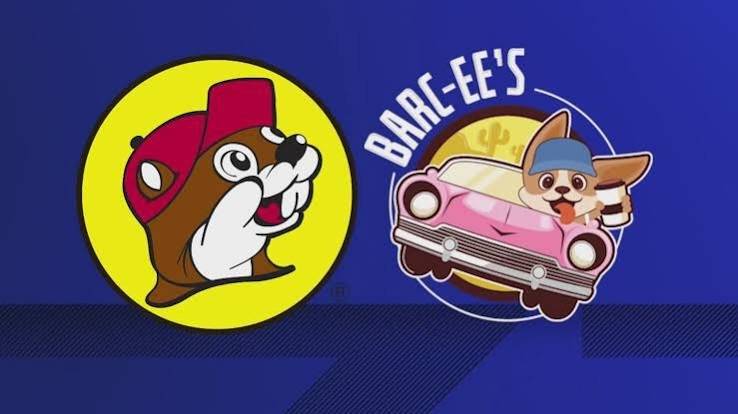
Buc-ee’s is famous for oversized travel centers, spotless restrooms and a smiling beaver logo that has become one of the most recognizable convenience-store brands in the United States. In 2026, however, the company has drawn almost as much attention for its courtroom activity as for its stores. A series of federal trademark cases has placed Buc-ee’s against smaller convenience stores, apparel sellers and other businesses whose names, mascots or logos allegedly come too close to the Buc-ee’s identity.
The lawsuits are not all the same. Some have settled, one recently produced an $850,000 consent judgment, and others remain active. The most important legal question running through them is whether consumers are likely to believe that another business is connected with, sponsored by or affiliated with Buc-ee’s. That is the core issue in trademark infringement law, and it is more complicated than simply asking whether two companies use cartoon animals.
Why Buc-ee’s Is Filing So Many Trademark Cases
Buc-ee’s has invested heavily in the name, its Bucky Beaver mascot and the visual identity surrounding its stores and merchandise. Federal trademark law allows a brand owner to act when another mark is allegedly likely to cause consumer confusion or dilute a famous mark.
For Buc-ee’s, enforcement has become particularly visible as the chain expands into new states. The company has argued in court that similar names, animal mascots, circular logo designs, red-and-yellow visual elements and convenience-store services can create an improper association with its brand. Defendants in several cases have pushed back, saying Buc-ee’s is trying to claim rights that are broader than trademark law allows.
That disagreement is now shaping several closely watched 2026 cases.
The Beaver’s Mini Mart Lawsuit in Ohio
One of the most publicized disputes began on July 28, 2026, when Buc-ee’s sued Hanes Road Carryout Inc., which operates Beaver’s Mini Mart in Beavercreek, Ohio. The case was filed in the U.S. District Court for the Southern District of Ohio as Buc-ee’s, Ltd. v. Hanes Road Carryout, Inc.
Buc-ee’s alleges that the mini mart’s use of the Beaver’s name and a smiling cartoon beaver creates a likelihood of confusion with its own protected marks. The complaint seeks trademark-related relief, including an injunction and damages.
The dispute attracted unusual public attention because the defendant operates in Beavercreek, a community whose own name naturally uses the word ‘beaver.’ As of September 2026, the lawsuit remains active. No court has ruled that Beaver’s Mini Mart infringed Buc-ee’s trademarks, and the allegations remain to be proven.
Teddy’s Market Is Fighting Back in Georgia
The Buc-ee’s lawsuit against Teddy’s Market has developed into an even broader legal fight. Buc-ee’s filed the federal case in Georgia on May 1, 2026, alleging that Teddy’s Market copied important elements of its branding and created an association with the Buc-ee’s name and mascot.
Teddy’s has denied infringement. It argues that its neighborhood stores, business model and teddy-bear branding are sufficiently different and that reasonable consumers would not confuse the businesses. It also filed counterclaims seeking declarations that its branding does not infringe and challenging Buc-ee’s trademark registrations.
The conflict escalated further in September. Teddy’s amended its counterclaims to include antitrust allegations, arguing that Buc-ee’s uses trademark litigation to restrict competing convenience-store branding. Buc-ee’s has rejected the characterization that its enforcement campaign is improper and has sought dismissal of counterclaims attacking its trademark practices. Those competing allegations have not been decided on the merits.
Buc-ee’s and Mickey’s Reach a Confidential Settlement
Another 2026 dispute involved Coles IP Holdings, the operator of Mickey’s stores in Ohio. Buc-ee’s sued in February, arguing that Mickey’s cartoon moose logo was too close to the visual presentation of Bucky Beaver. Mickey’s denied the claim and emphasized the obvious difference between a moose and a beaver.
The case never reached a final infringement ruling. In September 2026, the companies reached a confidential settlement. Public reporting indicated that both businesses continued displaying their respective mascots after the agreement, while the financial and other detailed terms remained private.
The settlement is important because it shows that a trademark case can end without a judge deciding which side was correct. A private agreement resolves the dispute between the parties but does not necessarily create a legal rule for other businesses.
The $850,000 Born United Judgment
Buc-ee’s achieved a much more concrete result in its case against South Carolina apparel company Born United. Buc-ee’s accused the company of selling merchandise using a beaver design that closely resembled its protected mascot, including products branded with the name ‘Tac-Bucc.’
The parties ultimately entered a consent judgment approved by a federal judge on August 19, 2026. Born United agreed to pay Buc-ee’s $850,000 in damages and accepted a permanent injunction restricting future use of the disputed branding. It was also required to destroy infringing merchandise and related promotional materials.
Unlike the pending cases, this dispute therefore ended with a court-approved judgment and specific financial consequences.
What Courts Actually Look At in a Trademark Case
The presence of two cartoon animals is not enough, by itself, to establish infringement. Courts generally examine whether the overall circumstances create a likelihood of consumer confusion.
Important factors can include the strength of the plaintiff’s mark, similarity between the marks, similarity of the goods or services, evidence of actual confusion, marketing channels, the care consumers use when purchasing and evidence concerning the defendant’s intent.
That is why Buc-ee’s cases can produce different outcomes. An apparel seller using a highly similar beaver image on merchandise presents a different factual situation from a neighborhood gas station using another animal mascot. The closer the marks, services and marketing presentation are, the stronger a traditional confusion argument may become.
Trademark Protection Does Not Give Ownership of Every Animal Mascot
A trademark gives its owner rights in a source-identifying mark; it does not give a company automatic ownership of every cartoon beaver, every red circle or every animal character used in retail.
At the same time, a strong trademark can receive broad protection when another business combines several similar features in a way that could suggest affiliation. Famous marks may also receive protection against dilution in circumstances covered by federal law.
The difficult part is drawing the line. Buc-ee’s argues that some defendants have crossed it. Several defendants argue that the company is trying to move that line too far. The pending federal cases will test those competing positions.
Why the Teddy’s Counterclaims Matter
The Teddy’s litigation has become particularly significant because the dispute is no longer limited to whether Teddy’s infringed a Buc-ee’s mark. The defendant is challenging the enforcement strategy itself and has raised broader claims involving trademark registrations and competition.
Those allegations should not be treated as established facts. Buc-ee’s disputes them, and a court will have to determine whether the counterclaims survive and whether the evidence supports them. Still, the case could become an important examination of the difference between legitimate trademark enforcement and an allegedly overbroad effort to restrict competitors.
What These Lawsuits Mean for Small Businesses
The Buc-ee’s cases offer a practical lesson for businesses choosing names, logos and mascots. A small company does not need to copy a trademark exactly to face litigation. Similarity in appearance, sound, commercial setting and overall branding can be enough to create a dispute.
Before launching a brand, businesses should search federal and state trademark records, review competitors operating in the same market and consider whether customers could reasonably assume an affiliation. Receiving a cease-and-desist letter should also be taken seriously. Ignoring a strong trademark claim can make a later dispute more expensive, as the Born United judgment illustrates.
Where the Buc-ee’s Lawsuits Stand in 2026
As of September 2026, Buc-ee’s trademark campaign has produced a mixed set of outcomes rather than one sweeping legal victory. The Born United dispute ended with an $850,000 judgment and permanent injunction. The Mickey’s case ended in a confidential settlement. The Beaver’s Mini Mart case remains active, while the Teddy’s Market litigation has expanded into counterclaims that attack aspects of Buc-ee’s trademark enforcement strategy.
The larger story is therefore not simply that Buc-ee’s frequently sues businesses with animal mascots. The real legal issue is how far a nationally recognized brand can go to protect a distinctive commercial identity without extending trademark rights beyond their lawful scope. Several federal courts may now help define that boundary.