Overstaying a visa by even a few days can raise important questions about U.S. immigration law and its consequences. Yes and no. It is generally not a criminal offense to overstay a visa by a few days, but it is a violation of federal immigration law that may affect your immigration status and future travel. Because immigration is regulated by the federal government, the same rules apply in Pennsylvania as they do throughout the United States.
Understanding a Visa Overstay
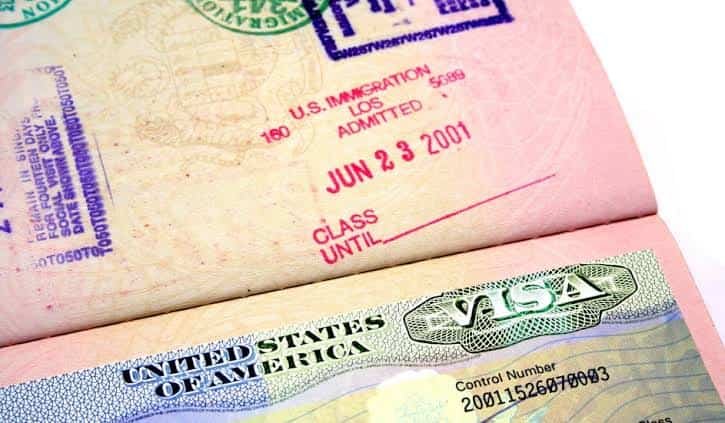
A visa allows a foreign national to travel to a U.S. port of entry and request admission. Once admitted, the individual is authorized to remain in the country only for the period granted by federal immigration authorities. Staying beyond that authorized period is known as a visa overstay.
Many visitors mistakenly believe the visa expiration date controls how long they may remain in the United States. In reality, the authorized stay is generally determined at the time of admission. Remaining after that period expires places a visitor out of lawful immigration status.
Is a Short Overstay Illegal?
A short overstay is an immigration violation, even if it lasts only a few days. However, a brief overstay alone is generally handled as a civil immigration matter rather than a criminal offense.
Although someone is unlikely to face criminal prosecution solely because they remained a few extra days, federal immigration authorities may still consider the overstay when evaluating future visa applications, requests for immigration benefits, or later entries into the United States.
Why Pennsylvania Does Not Have Separate Rules
Some people assume immigration laws differ from one state to another. That is incorrect.
Pennsylvania governs matters such as criminal law, contracts, property, and family law, but immigration is almost entirely controlled by federal law. Agencies such as U.S. Citizenship and Immigration Services (USCIS), U.S. Customs and Border Protection (CBP), and U.S. Immigration and Customs Enforcement (ICE) administer and enforce these rules nationwide.
Possible Consequences of a Few Days’ Overstay
Even a brief overstay can create immigration issues. Depending on the circumstances, possible consequences include:
- Loss of lawful immigration status.
- Greater scrutiny during future visa applications.
- Difficulty obtaining another U.S. visa.
A short overstay does not automatically result in deportation. Nevertheless, it becomes part of the individual’s immigration history and may be reviewed during future interactions with immigration authorities.
When Do the Consequences Become More Serious?
The legal consequences generally increase as the period of unlawful presence becomes longer.
Federal immigration law imposes significant penalties on individuals who remain in the United States for extended periods after their authorized stay and then depart. Depending on the amount of unlawful presence accumulated, a person may become temporarily barred from returning to the United States for several years.
Can an Overstay Be Excused?
In limited situations, immigration law provides options for individuals who have valid reasons for remaining beyond their authorized stay.
For example, certain visitors may qualify for an extension of stay or another lawful immigration status if they meet the legal requirements and file the appropriate applications. Extraordinary circumstances beyond the person’s control may also be relevant in some cases.
What Should You Do After Realizing You Overstayed?
If you discover that you remained in the United States longer than permitted, you should act promptly rather than ignoring the issue.
Helpful steps include:
- Confirm the date your authorized stay ended.
- Keep records explaining the circumstances of the overstay.
- Avoid additional immigration violations.
Prompt action may reduce future immigration complications and help you better understand your legal options.
Common Misunderstandings
One common misconception is that a few extra days never matter. While a short overstay is usually less serious than a lengthy one, it is still an immigration violation.
Another misconception is that marriage to a U.S. citizen automatically erases an overstay. Although marriage may affect eligibility for certain immigration benefits, it does not automatically eliminate every immigration consequence or guarantee approval of future applications.
Conclusion
Overstaying a visa by a few days in Pennsylvania is generally not a criminal offense, but it is a violation of federal immigration law. Even a brief overstay can affect future visa applications, immigration benefits, and travel to the United States. While the consequences of a short overstay are often less severe than those associated with lengthy unlawful presence, visitors should always comply with the terms of their admission and address any immigration issues promptly. When uncertainty exists, obtaining advice from a qualified immigration attorney is the safest course of action.
FAQs
Q: Is overstaying a visa by a few days a crime?
A: Generally, no. A brief overstay is usually an immigration violation rather than a criminal offense, but it may still have legal consequences.
Q: Does Pennsylvania have different visa overstay laws?
A: No. Immigration law is federal, so the same visa overstay rules apply throughout the United States, including Pennsylvania.
Q: Can a short overstay affect future visa applications?
A: Yes. Immigration authorities may consider a previous overstay when reviewing future visa or immigration benefit applications.
Q: Will I be deported for overstaying by only a few days?
A: Not automatically. A short overstay does not necessarily result in immediate removal, but it can still affect your immigration status and future eligibility.
Q: What should I do if I accidentally overstay my visa?
A: Review your immigration records, avoid additional violations, and consult a qualified immigration attorney to determine the best way to address your situation.