Creating a good video involves much more than recording a few clips. Creators need to develop an idea, organize footage, write captions, choose suitable visuals, maintain a consistent pace, and prepare the final file for its intended platform. For beginners especially, the editing stage can feel more complicated than the filming itself.
Artificial intelligence is changing that process. Modern AI tools can help creators move from a simple concept to an organized video project with less manual work. Among the most interesting developments is the combination of conversational AI and video-editing technology, where users can describe what they want instead of relying entirely on traditional editing controls.
What Is a ChatGPT Video Editor?
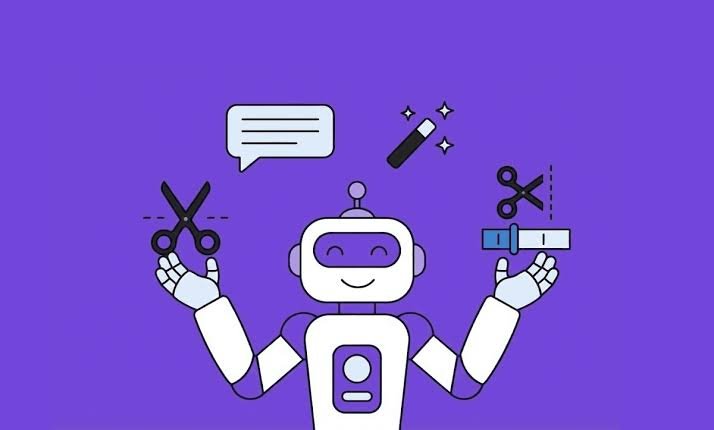
A ChatGPT video editor refers to an AI-assisted editing workflow that uses conversational instructions to help with video creation and editing. Instead of manually performing every step, users can describe the desired result in everyday language.
For example, a creator could explain that they want to turn several travel clips into a short vertical video, remove unnecessary sections, highlight the best moments, and add captions. AI can help translate those requirements into an editing process.
A tool such as ChatGPT video editor demonstrates how conversational AI can be integrated into a video workflow. Rather than requiring users to understand every technical editing function from the beginning, the approach allows them to communicate their creative objective and work from an AI-assisted draft.
The important point is that AI does not have to replace the creator. It can act as an assistant that speeds up repetitive parts of production.
From an Idea to a Video
One of the biggest advantages of conversational AI is that it can help during the planning stage.
Suppose someone wants to create a short educational video about renewable energy. They might start with a basic idea but not have a complete script or scene structure. AI can help develop the concept into a sequence of sections.
A simple production process might include:
- Developing the concept: Define the subject and intended audience.
- Writing the script: Create an introduction, main points, and conclusion.
- Planning visuals: Decide what footage, graphics, or images should accompany each section.
- Organizing media: Collect relevant recordings and visual assets.
- Creating a rough edit: Use AI assistance to arrange suitable material.
- Refining the result: Review timing, captions, audio, and transitions.
- Exporting: Produce the appropriate format for the target platform.
This workflow can help reduce the gap between having an idea and actually producing something viewers can watch.
Why Natural-Language Instructions Are Useful
Traditional video editors provide precise controls, which are valuable for experienced users. However, those controls can also be intimidating for someone who has never edited video before.
Natural-language interaction provides another way to approach the process.
A user might say:
- “Make this introduction shorter.”
- “Remove sections with long pauses.”
- “Create a 30-second version.”
- “Put the strongest clip at the beginning.”
- “Add captions that are easy to read.”
- “Make this suitable for a vertical screen.”
These instructions focus on the desired outcome rather than the technical procedure.
This can make experimentation easier. A creator can try several versions of an edit without manually rebuilding the entire sequence each time.
AI Can Help With Short-Form Content
Short-form video has become an important format for social media, but producing frequent content can require considerable effort. A creator may have hours of source material but only need a few seconds of the most engaging footage.
AI-assisted editing can help identify and organize useful sections. It can also support tasks such as caption creation, resizing, and preparing variations for different platforms.
For example, a long interview could potentially be transformed into several short clips. Each clip might focus on a different question or statement while maintaining a consistent visual style.
The creator still needs to check the results carefully, particularly when context is important. An automatically selected sentence may sound interesting by itself but have a different meaning when removed from the original conversation.
AI and Video Storytelling
Technology can automate many editing tasks, but storytelling remains a human responsibility.
A successful video usually has a reason for existing. It may teach something, entertain an audience, explain a product, document an experience, or tell a personal story. Simply combining attractive clips does not necessarily create a compelling narrative.
AI can assist with structure, but creators should still consider questions such as:
- What should viewers understand after watching?
- Why should they continue watching?
- Which information is essential?
- Where should the pace change?
- Does each visual support the message?
- Is the ending satisfying or useful?
These decisions give a video its personality and purpose.
The Role of AI in Visual Production
Video creation increasingly involves more than recorded footage. Graphics, illustrations, generated images, subtitles, animations, and other digital assets can all contribute to the final product.
AI-generated visuals can be particularly useful when a creator needs an illustration that would be difficult or expensive to photograph. For example, an educational channel could use generated imagery to explain an abstract scientific concept, while a business could create conceptual visuals for a presentation.
The key is to use generated material thoughtfully. Visual accuracy matters, especially when content involves technical, historical, scientific, or factual subjects.
Human Review Still Matters
AI-generated edits should not automatically be considered finished products.
Creators should review the completed video for factual accuracy, incorrect captions, awkward cuts, unsuitable music, inconsistent formatting, and visual mistakes. Names, numbers, product information, and quotations deserve particular attention.
Creative review is also important. An AI system may technically produce a coherent sequence while missing the emotional tone that the creator wants.
The best workflow is therefore collaborative: AI handles tasks that can be automated, while the human creator provides direction and makes the final decisions.
Making Video Editing More Accessible
Perhaps the most important development is accessibility. Video editing has historically required either substantial software knowledge or assistance from someone with professional experience.
AI-assisted tools can lower that barrier by allowing beginners to communicate their ideas in familiar language. Someone who has never worked with a complex timeline can begin by explaining what they want to achieve.
This does not eliminate the value of learning editing skills. Understanding composition, pacing, sound, storytelling, and visual hierarchy remains useful. Instead, AI gives new creators another way to put those principles into practice.
What Comes Next?
The future of AI video creation is likely to involve increasingly connected workflows. Planning, scripting, image generation, video editing, captions, audio processing, and formatting may become parts of one continuous creative process.
This could change how people approach video production. Instead of thinking of editing as a separate technical stage that happens after filming, creators may treat AI as an assistant throughout the entire production cycle.
The technology will continue to evolve, but the fundamental goal remains the same: communicate an idea effectively.
Conclusion
ChatGPT-powered video workflows are changing how people approach video production. By combining conversational instructions with AI-assisted editing, creators can spend less time on repetitive technical tasks and more time developing ideas and improving their storytelling.
The strongest results will come from treating AI as a creative assistant rather than an automatic replacement for human judgment. When technology handles routine work and creators remain responsible for direction and quality control, video production becomes more accessible, flexible, and efficient.