Helping a relative enter the United States may seem like an act of family support, but it can also raise serious legal issues under U.S. immigration law. Yes. It is generally illegal to knowingly help a relative cross the U.S. border unlawfully or assist them in violating federal immigration laws. Although Pennsylvania is not a border state, federal immigration laws apply nationwide, meaning a person in Pennsylvania can face criminal penalties for participating in or assisting an unlawful border crossing.
Many people mistakenly believe that helping a spouse, child, parent, or sibling is automatically treated differently from helping a stranger. In reality, federal immigration law focuses primarily on the person’s conduct and intent rather than the family relationship.

Understanding Border Crossing Laws
The United States regulates who may enter the country and under what conditions. Most foreign nationals must enter through an authorised port of entry, present valid travel documents, and satisfy federal immigration requirements.
Crossing the border without inspection or authorisation generally violates federal immigration law. Likewise, knowingly assisting another person in making an unlawful entry may also violate federal law, regardless of whether the assistance is provided for financial gain or to help a family member.
What Does “Helping Someone Cross the Border” Mean?
Helping another person cross the border can involve many different actions. Depending on the circumstances, examples may include:
- Driving someone across the border while knowing they are entering unlawfully.
- Guiding a person around an official port of entry.
- Arranging transportation as part of an unlawful entry plan.
- Providing forged or fraudulent travel documents.
- Coordinating with others to facilitate illegal entry.
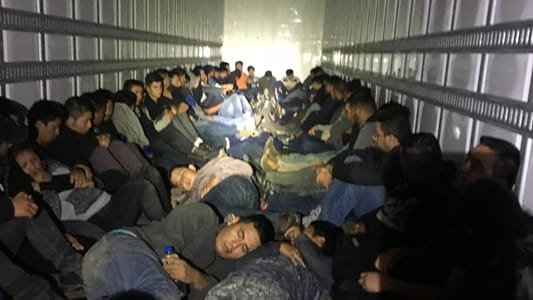
- Participating in a human smuggling operation.
Whether a particular action violates the law depends on the facts, including the person’s knowledge, intent, and involvement in the unlawful entry.
Federal Offences Related to Illegal Entry
Several federal immigration offences may apply when a person knowingly assists another individual in entering the United States unlawfully.
Conduct that may lead to legal consequences includes:
- Assisting or encouraging unlawful entry.
- Transporting individuals as part of an illegal entry scheme.
- Providing fraudulent identification or immigration documents.
- Concealing or harbouring individuals in violation of federal immigration law.
- Participating in organised human smuggling activities.
The specific charges depend on the facts of the case, including the person’s actions and level of participation.
Does Pennsylvania Have Different Immigration Rules?
No. Pennsylvania does not have separate laws allowing someone to assist another person in unlawfully crossing the U.S. border.
While Pennsylvania regulates many areas of state law, including criminal offences, contracts, and family law, immigration enforcement is controlled by the federal government. Consequently, an individual living in Pennsylvania may still face federal investigation or prosecution for conduct connected to an unlawful border crossing.
The location where the person resides does not change the applicable federal immigration laws.
Lawful Ways to Help a Relative Immigrate
Helping a family member immigrate legally is very different from assisting an unlawful border crossing.
Lawful assistance may include:
- Filing an eligible family-based immigration petition.
- Helping complete immigration paperwork.
- Paying lawful government filing fees.
- Providing financial sponsorship when legally required.
- Assisting with immigration interviews or court appearances.
- Helping the relative obtain qualified legal representation.
Supporting a relative through lawful immigration procedures is generally permitted as long as all information provided to immigration authorities is truthful and accurate.
Why Legal Advice Matters
Immigration law is complex, and well-intentioned actions can sometimes have unintended legal consequences. Individuals who want to help a family member enter or remain in the United States should understand the available legal immigration options before taking action.
An experienced immigration attorney can explain family-based immigration pathways, evaluate eligibility, and help avoid conduct that could expose either the helper or the relative to legal problems. Seeking legal guidance before acting is often the safest approach.
Conclusion
Helping a relative cross the border in Pennsylvania is generally illegal if it involves knowingly assisting unlawful entry into the United States or violating federal immigration laws. Because immigration is regulated by federal law, the same legal standards apply across the country, including Pennsylvania. Individuals who wish to reunite with family members should pursue lawful immigration procedures rather than attempting to bypass legal entry requirements. Understanding the law and seeking professional legal guidance can help families avoid serious criminal and immigration consequences.
FAQs
Q: Is it illegal to help a family member cross the U.S. border illegally?
A: Yes. Knowingly assisting a relative or any other person in unlawfully entering the United States can violate federal immigration law.
Q: Does being related to the person create an exception?
A: No. A family relationship does not automatically make unlawful assistance legal under federal immigration law.
Q: Can I legally help my relative immigrate?
A: Yes. You may lawfully help by filing eligible immigration petitions, assisting with paperwork, providing financial sponsorship where appropriate, and supporting legal immigration procedures.
Q: Can someone in Pennsylvania be prosecuted for helping with an illegal border crossing?
A: Yes. Federal immigration law applies throughout the United States, so a person in Pennsylvania may face federal prosecution if they knowingly assist unlawful entry.
Q: Should I speak with an immigration attorney before helping a relative?
A: Yes. A qualified immigration attorney can explain lawful immigration options, assess eligibility, and help ensure that your actions comply with federal immigration law.