Married couples often assume they must file a joint tax return every year, but U.S. tax law provides more than one filing option for eligible spouses. No. It is not illegal to file separate tax returns while still married in Pennsylvania. Federal tax law generally allows married couples to choose between filing Married Filing Jointly or Married Filing Separately, provided they meet the applicable legal requirements. However, choosing to file separately can affect tax rates, deductions, credits, and overall tax liability. Pennsylvania also has its own state income tax rules, so taxpayers should understand both federal and state requirements before selecting a filing status.
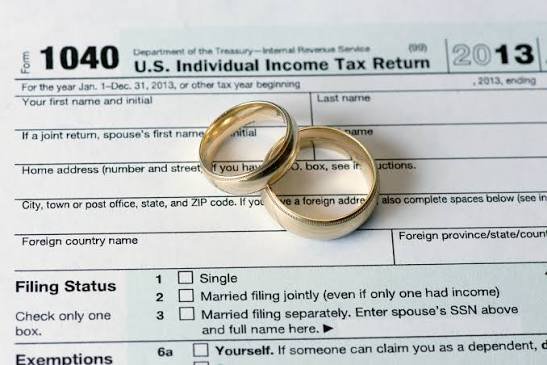
Understanding Tax Filing Status
A taxpayer’s filing status determines how income is reported and how taxes are calculated.
For married individuals, the primary filing options are:
- Married Filing Jointly.
- Married Filing Separately.
The filing status chosen affects:
- Tax rates.
- Standard deductions.
- Eligibility for certain tax credits.
- Income reporting requirements.
- Overall tax liability.
Each filing status has advantages and disadvantages depending on the couple’s circumstances.
Is Filing Separately Legal?
Yes.
Federal law generally permits married couples to file separate federal income tax returns if they qualify for that filing status.
Pennsylvania taxpayers may also file separate state returns where permitted under applicable state tax laws.
Simply choosing the “Married Filing Separately” status does not violate federal or Pennsylvania law.
Why Some Married Couples File Separately
There are several legitimate reasons why spouses may choose separate returns.
Examples include:
- Keeping tax liabilities separate.
- Managing individual financial obligations.
- Addressing complex financial circumstances.
- Protecting one spouse from responsibility for certain tax issues.
- Personal financial planning considerations.
The decision is often based on legal or financial advice rather than marital status alone.
Possible Disadvantages of Filing Separately
Although filing separately is legal, it may reduce eligibility for certain tax benefits.
Depending on federal tax law, spouses filing separately may face:
- Reduced eligibility for certain tax credits.
- Limitations on particular deductions.
- Different income thresholds.
- Potentially higher overall tax liability.
- Additional filing complexity.
The financial impact varies from one taxpayer to another.
When Filing Separately Can Create Problems
Filing separately is lawful, but submitting false or inaccurate information is not.
Examples of unlawful conduct include:
- Reporting false income.
- Hiding taxable earnings.
- Claiming deductions fraudulently.
- Filing under an incorrect status intentionally.
- Providing false information to tax authorities.
These actions may result in penalties, audits, or other legal consequences regardless of filing status.
Best Practices for Married Taxpayers
Couples should evaluate their filing options carefully before submitting their returns.
Helpful practices include:
- Comparing joint and separate filing outcomes.
- Reviewing eligibility for tax credits.
- Maintaining accurate financial records.
- Reporting all taxable income honestly.
- Keeping supporting documentation.
- Seeking professional advice before filing if circumstances are complex.
Careful planning can help maximise compliance and reduce unnecessary tax liability.
Common Misunderstandings
Several misconceptions surround separate tax filing.
One common misunderstanding is that married couples must always file jointly. Federal law generally allows eligible spouses to file separately if they choose.
Another misconception is that filing separately is illegal if spouses live together. Living together does not automatically prevent married taxpayers from choosing the separate filing status.
Some taxpayers also believe separate returns always reduce taxes. In reality, filing separately may increase or decrease total tax liability depending on the couple’s financial circumstances and applicable tax rules.
Why Professional Advice Is Helpful
Choosing between joint and separate filing can involve complicated tax calculations and legal considerations.
A certified public accountant (CPA), enrolled agent, tax attorney, or other qualified tax professional can compare the available filing options, explain eligibility for deductions and credits, and help prepare accurate federal and Pennsylvania tax returns.
Professional guidance is especially valuable for couples with self-employment income, investment earnings, significant deductions, or complex financial situations.
Conclusion
Filing separate tax returns while still married in Pennsylvania is not illegal. Federal law generally allows married couples to choose the “Married Filing Separately” status, and Pennsylvania recognises lawful filing options under its own tax system. However, filing separately may affect deductions, tax credits, and overall tax liability. While choosing separate returns is perfectly legal, taxpayers must still report accurate information and comply with all applicable federal and Pennsylvania tax laws. Before deciding which filing status to use, married couples should compare the financial consequences and consider consulting a qualified tax professional.
FAQs
Q: Is it illegal for married couples to file separate tax returns in Pennsylvania?
A: No. Married couples may generally choose to file separate tax returns if they meet the applicable federal and Pennsylvania filing requirements.
Q: Can filing separately affect tax credits?
A: Yes. Certain federal tax credits and deductions may be reduced or unavailable for taxpayers who file separately.
Q: Does filing separately automatically trigger an IRS audit?
A: No. Filing separately is a lawful filing status and does not automatically result in an audit.
Q: Should married couples always file jointly?
A: Not necessarily. Whether joint or separate filing is more beneficial depends on the couple’s financial circumstances and applicable tax rules.
Q: Should I consult a tax professional before choosing a filing status?
A: Yes. A qualified tax professional can compare the available filing options and help determine which filing status best fits your legal and financial situation.