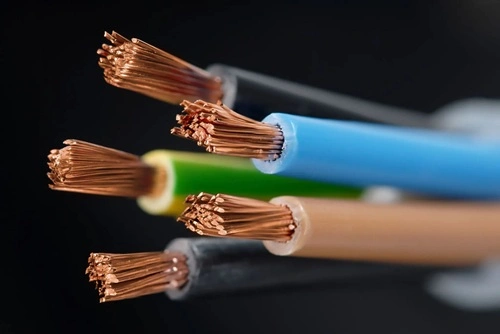
Burning copper wire to remove insulation is a common practice among scrap metal collectors and electricians looking to recover clean copper. However, in the United States, burning copper wire is illegal in most circumstances — and doing so can lead to heavy fines, environmental penalties, and even criminal charges. Here’s a complete breakdown of the laws, risks, and legal alternatives.
Federal Law: The Clean Air Act
Under the Clean Air Act, burning insulated wire or any plastic-coated material releases toxic pollutants into the air — including dioxins, furans, and heavy metals. These substances are extremely harmful to both human health and the environment.
The Environmental Protection Agency (EPA) strictly prohibits open burning of waste that produces such emissions. This means that burning copper wire to strip insulation is illegal under federal law unless you’re operating an EPA-approved incineration or recycling facility.
Violations can result in:
- Civil fines up to $25,000 per day per violation.
- Criminal charges for willful or repeated offenses.
- Possible jail time for large-scale illegal burning operations.
So while you may think you’re just “cleaning” wire for scrap, from a legal standpoint, you’re committing an environmental violation if you burn it without authorization.
State and Local Laws
Every state enforces additional air quality and waste disposal regulations, and most are even stricter than federal rules.
Examples:
- California: Completely bans burning of insulated wire under its Air Resources Board regulations.
- New York: Treats burning copper wire as illegal open burning, punishable by fines and environmental cleanup costs.
- Texas: Prohibits open burning of waste materials, including electrical wire, under TCEQ (Texas Commission on Environmental Quality) rules.
- Florida: Makes it unlawful to openly burn copper wire insulation under Florida Administrative Code 62-256.
In nearly every jurisdiction, you need a special permit and an approved pollution control system to burn any material that emits smoke or toxic gases — something private individuals almost never have.
Fire Safety and Criminal Implications
Beyond environmental law, burning copper wire can also trigger local fire code violations and public safety offenses. Uncontrolled fires can spread quickly, especially in residential or rural areas, leading to:
- Arson or reckless burning charges
- Property damage liability
- Endangerment citations from fire departments
In addition, many states treat burning stolen wire (often from construction or utility sites) as evidence of theft. Law enforcement regularly investigates illegal burn sites to find stolen scrap. Even possessing burnt wire without proof of ownership can result in criminal suspicion or charges.
Legal Alternatives to Burning Copper Wire
If your goal is to recover copper for scrap, there are safe and legal alternatives:
- Use a mechanical wire stripper – These tools remove insulation without burning.
- Sell insulated wire directly – Many scrap yards accept insulated wire and pay slightly less, but it’s legal and hassle-free.
- Use approved recycling facilities – Some industrial recyclers have equipment to thermally or chemically strip wire in compliance with environmental standards.
Remember, a few dollars’ gain from burning wire is never worth thousands in fines or potential jail time.
FAQs About Burning Copper Wire
Q. Is it illegal to burn copper wire in your backyard?
Yes. In nearly all U.S. states, open burning of copper wire insulation is illegal due to toxic emissions. Backyard burning violates local and federal air pollution laws.
Q. Can you get fined for burning copper wire?
Absolutely. Fines range from hundreds to tens of thousands of dollars. The EPA and state agencies take open burning very seriously.
Q. What if I burn a small amount on private property?
Even small burns are illegal without proper permits. The law doesn’t exempt “small-scale” or “personal use” burning when it releases toxic fumes.
Q. Can scrap yards buy burnt copper wire?
Most reputable scrap yards refuse burnt wire because it violates environmental regulations. Some may even report sellers if they suspect illegal burning.
Q. What’s the legal way to strip copper wire?
Use mechanical stripping tools or take it to a licensed recycling center. These methods are safe, efficient, and fully compliant with environmental law.
Conclusion
Burning copper wire might seem like a quick way to make extra cash, but under U.S. environmental and safety laws, it’s almost always illegal. The smoke and toxins it releases can harm your health, pollute the air, and expose you to severe legal penalties.
If you want to recycle copper legally, invest in a wire stripper or work with authorized recycling facilities. It’s better for your wallet, your community, and the environment — and it keeps you on the right side of the law.