Dashcams are no longer just niche tools; they have become crucial tools in car accident cases. In Seattle, these small gadgets are redefining how lawyers, investigators, and courts see accident scenes, and giving car accident victims a powerful way to show what transpired.
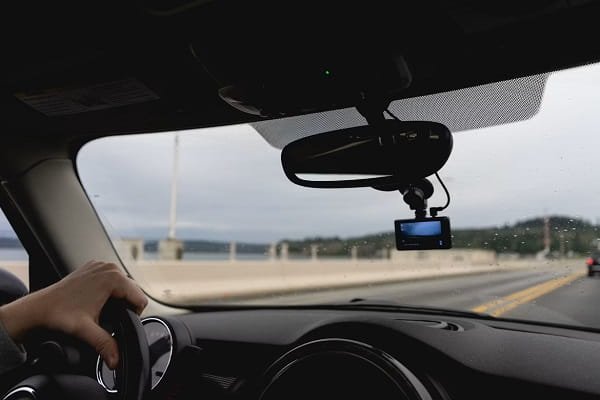
Why Dashcams Are More Important Than Ever
It’s not long ago that car accident reconstructions relied on physical evidence like skid marks, police reports, and eyewitness reports. However, human memory is not always reliable, and physical evidence can always tell the whole story. With a dashcam, there is a continuous, objective recording of the events leading up to, during, and immediately after an accident:
- Dashcam footage can capture exactly when you braked, changed lanes, turned, and the road conditions at the time, details that are often disputed in injury claims
- Insurance companies are notorious for rejecting accident claims and offering lowball settlements. Dashcam footage speaks more loudly than written statements and will undoubtedly strengthen your claim
- Authenticated, unedited dashcam footage is generally viewed as reliable evidence by judges and juries
To effectively use dashcam footage as evidence in a car accident in Washington, you will need to follow legal procedures and preserve the evidence properly. There is no denying that the advantages of having a dashcam are real, though. If you have been in a car accident in Seattle, it’s imperative that you work with a Seattle car accident lawyer to help you preserve evidence and create a strong narrative using the dashcam footage.
Are Dashcams Legal in Washington?
Dashcams are not prohibited in Washington, and you don’t need a license or registration to run one. The only legal issue regarding a dashcam is probably where you put it.
Washington law, specifically RCW 46.37.410, mandates working windshield wipers and restricts the use of nontransparent materials on the windshield and windows that could limit the driver’s visibility. In most cases, a compact dashcam placed low on the windshield and away from the driver’s view is unlikely to raise legal concerns. A bulky camera or mounting bracket that obstructs visibility, however, may not comply with the law.
Dashcam footage is admissible in Washington car accident cases, provided you authenticate it. There is one caveat, though. While video footage may still be useful, audio recorded without following consent or privacy requirements could become a point of contention. Washington is a strict ‘all-party’ consent state, and you need to inform the other party that you are recording their studio and get their permission.
How Dashcam Footage Can Strengthen a Washington Crash Case
Here’s how dashcam footage is changing Washington car accident litigation:
1. Establishing Fault and the Timeline
Dashcam recordings provide a detailed account of what happened before and during a crash. They can reveal lane changes, braking, speed, and other critical details, making it easier to determine fault and resolve disagreements over how the accident occurred.
2. Capturing Road and Environmental Conditions
Dashcam recordings do more than document the impact. They can also show visibility, weather, traffic flow, road conditions, and other factors that may have contributed to the crash, giving investigators and insurers a clearer understanding of the incident.
3. Challenging Disputed Claims
Dashcam footage can be especially valuable when fault is contested. It offers an unbiased account of the collision, helping expose inconsistencies in the opposing side’s claims and strengthening the overall case with clear visual evidence.
4. Strengthening Settlement Negotiations
Dashcam recordings can provide persuasive evidence during settlement negotiations. When the facts are clearly documented, insurers may be more willing to offer a fair settlement rather than continue disputing liability.
5. Maintaining the Integrity of Evidence
Unlike witness recollections, which can change over time, dashcam recordings preserve what was captured at the scene. Properly storing the original footage helps protect its authenticity and strengthens its value as evidence in a crash case.
Endnote
Dashcam footage can play a valuable role in Washington personal injury claims by documenting the events surrounding a collision. As objective evidence, it helps clarify disputed facts and, when handled in accordance with legal requirements, can strengthen a case from the initial investigation through settlement discussions or trial.