Yes, in many cities across the United States, it is illegal to park on your lawn. While it may seem like private property should allow for unrestricted parking, local ordinances often prohibit this practice for aesthetic, safety, and environmental reasons. Violating these regulations can result in fines, notices, and even further legal action if the violation persists.
Understanding the Legal Framework
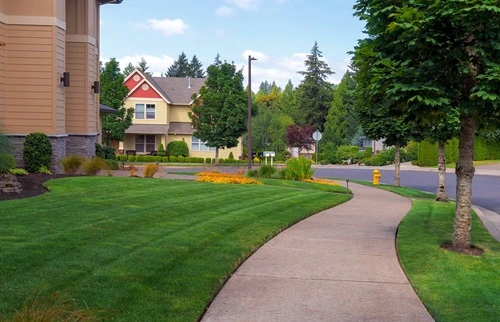
Laws against parking on lawns are typically established at the local or municipal level and vary from one community to another. These rules aim to maintain neighborhood standards, preserve public safety, and protect the environment.
1. Zoning and Property Use Regulations
- Residential Zoning Laws: Many cities enforce zoning codes that designate specific areas for parking, such as driveways or garages. These codes often prohibit parking on lawns as part of broader property use restrictions.
- Neighborhood Uniformity: Parking on lawns disrupts the visual harmony of residential neighborhoods, which zoning regulations are designed to protect.
2. Safety Concerns
- Pedestrian Safety: Vehicles parked on lawns may block sidewalks or force pedestrians onto the street, creating potential hazards.
- Emergency Access: Emergency vehicles need unobstructed access to properties, and lawn parking can complicate their routes.
3. Environmental Impact
- Soil and Grass Damage: Repeated parking on grass compacts the soil, damages turf, and disrupts water absorption, leading to erosion or runoff issues.
- Stormwater Runoff: Parking vehicles on lawns can contribute to stormwater runoff, which may carry pollutants like oil and antifreeze into local waterways.
Reasons Cities Prohibit Lawn Parking
1. Aesthetic Standards
- Many municipalities prioritize curb appeal and enforce lawn parking bans to maintain property values and the overall appearance of neighborhoods.
2. Vehicle Damage
- Parking on soft ground can cause vehicles to sink or become stuck, particularly during heavy rain or snow, leading to property damage.
3. Public Complaints
- Lawn parking often results in complaints from neighbors who view it as unsightly or disruptive to the neighborhood.
4. Ordinance Enforcement
- Cities use lawn parking bans as part of broader property maintenance regulations. Violations often fall under “nuisance” codes.
Examples of Lawn Parking Laws
1. Major Cities
- Atlanta, GA: The city prohibits parking vehicles in areas not designed or designated for parking, such as front yards or lawns.
- Los Angeles, CA: Zoning ordinances explicitly restrict parking on unpaved areas of private property in residential neighborhoods.
- Chicago, IL: Municipal codes require all parking areas to be paved and maintained to certain standards.
2. Suburban and Rural Areas
- Smaller communities often enforce similar restrictions to maintain property values and neighborhood standards.
Penalties for Parking on Your Lawn
1. Fines
- Fines for parking on lawns vary by location but generally range from $25 to $500 for each violation. Repeat offenders may face higher penalties.
2. Code Enforcement Notices
- Property owners often receive a warning or notice to correct the issue before fines are imposed. Failure to comply can result in further legal action.
3. Vehicle Towing
- In some cases, vehicles parked illegally on lawns may be towed at the owner’s expense, especially if they obstruct public property or violate repeated warnings.
4. Liens on Property
- Persistent violations may lead to liens placed on the property by the city for unpaid fines or unresolved violations.
Exceptions to Lawn Parking Rules
1. Temporary Parking
- Some cities allow temporary lawn parking for special events or emergencies. Permits may be required for extended use.
2. Rural Properties
- In rural areas with larger lots, lawn parking may not be explicitly prohibited, though local regulations should still be checked.
3. Permits and Variances
- Property owners may apply for a variance or permit to park on lawns temporarily, particularly during construction or landscaping projects.
Recent Developments in Lawn Parking Regulations
1. Increased Enforcement
- Urban areas are increasing enforcement of lawn parking bans as part of broader efforts to maintain community standards and reduce nuisance violations.
2. Environmental Focus
- Cities are linking lawn parking violations to environmental concerns, such as stormwater runoff and soil erosion, to justify stricter regulations.
3. Digital Reporting
- Many municipalities now allow residents to report lawn parking violations via online platforms or mobile apps, leading to faster enforcement.
How to Avoid Violations
- Understand Local Laws: Check municipal codes or homeowner association rules for parking regulations.
- Designate Parking Areas: Use paved driveways, garages, or other designated areas for vehicle parking.
- Apply for Permits: If temporary parking on the lawn is necessary, contact local authorities to request a permit or variance.
- Communicate with Neighbors: Coordinate with neighbors for overflow parking arrangements during special events.
Related FAQs
Q1. Can I park on my lawn if I own the property?
Ans: In many cities, local ordinances prohibit lawn parking, even on private property, to maintain neighborhood standards and safety.
Q2. Are there fines for parking on the lawn?
Ans: Yes, fines vary by city but can range from $25 to $500 per violation. Repeat offenses may result in higher penalties.
Q3. Can I park on my lawn temporarily?
Ans: Some municipalities allow temporary lawn parking for events or emergencies, but you may need a permit.
Q4. What happens if I ignore warnings about lawn parking?
Ans: Ignoring warnings can result in escalating fines, legal action, or even liens on your property for unresolved violations.
Q5. Are there exceptions for rural areas?
Ans: In rural areas, lawn parking may not be explicitly prohibited, but local regulations should still be checked.