No, it is not universally illegal to grow cotton in the United States. However, several states enforce regulations requiring permits for cotton cultivation to prevent the spread of pests, particularly the boll weevil (Anthonomus grandis), which has historically devastated cotton crops.
States with Cotton Cultivation Regulations
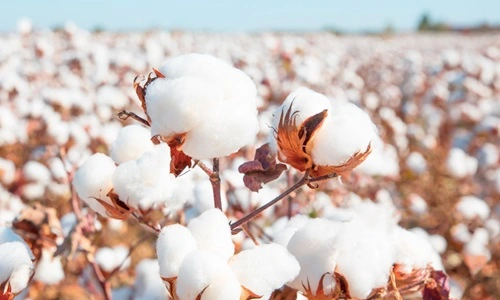
In certain states, growing cotton without proper authorization is restricted. These regulations are in place to protect the commercial cotton industry from pest infestations. States enforcing such regulations include:
- Arkansas
- Louisiana
- Mississippi
- Missouri
- Oklahoma
- Tennessee
- Texas
- Alabama
- Arizona
- California
- Florida
- Georgia
- Kansas
- New Mexico
- North Carolina
- South Carolina
- Virginia
In these states, individuals must obtain permits before planting cotton, even for ornamental purposes. Unauthorized cultivation can lead to penalties, including fines and mandatory crop destruction.
Rationale Behind Regulations
The primary reason for these restrictions is to control the boll weevil, a beetle that feeds on cotton buds and flowers, causing significant yield losses. The U.S. Department of Agriculture (USDA) initiated the Boll Weevil Eradication Program, which has been largely successful in eliminating the pest from most cotton-growing regions. However, unauthorized cotton plants can serve as hosts for boll weevils, risking re-infestation and threatening the commercial cotton industry.
Permit Requirements and Enforcement
In regulated states, agricultural departments oversee cotton cultivation through permit systems. For example, in Oklahoma, growing cotton without a state permit can result in fines up to $10,000 and/or up to one year in jail.
These measures ensure that all cotton growth is monitored, reducing the risk of pest outbreaks.
Implications for Home Gardeners
Home gardeners interested in cultivating cotton for ornamental or educational purposes must adhere to state regulations. This typically involves applying for a permit and complying with specific planting guidelines. Failure to do so can result in penalties, including fines and mandatory removal of the plants.
Conclusion
While growing cotton is not outright illegal across the U.S., several states enforce regulations requiring permits to safeguard the commercial cotton industry from pests like the boll weevil. Prospective growers should consult their state’s Department of Agriculture to understand and comply with local laws.
Frequently Asked Questions
Q. Is it illegal to grow cotton in the U.S.?
Ans: Not universally. However, several states require permits for cotton cultivation to prevent pest infestations.
Q. Why are there restrictions on growing cotton?
Ans: To control pests like the boll weevil, which have historically caused significant damage to cotton crops.
Q. Can I grow cotton in my backyard?
Ans: In regulated states, you must obtain a permit even for personal or ornamental cultivation.
Q. What happens if I grow cotton without a permit?
Ans: Penalties vary by state and can include fines or mandatory destruction of the plants.
Q. How can I find out my state’s regulations on cotton cultivation?
Ans: Contact your state’s Department of Agriculture or consult their official website for information.