Yes, it can be illegal to park your vehicle in certain locations or under specific conditions. Parking laws in the United States are governed by federal, state, and local regulations designed to ensure public safety, traffic flow, and accessibility. Violating these laws can lead to fines, towing, and in some cases, criminal charges.
Understanding Parking Laws
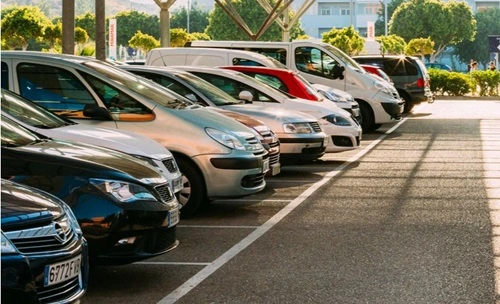
Parking laws vary widely based on the location and purpose of the parking regulations. Here’s a breakdown of when and where parking your vehicle may be considered illegal:
1. Common Prohibited Parking Locations
Parking is typically prohibited in areas where it creates a safety hazard or disrupts public order, including:
- Fire Lanes: Parking in designated fire lanes is illegal and can result in fines or towing.
- Handicap Spaces: It is illegal to park in handicap-accessible spaces without the proper permit.
- Blocking Driveways: Obstructing access to private driveways is prohibited in most jurisdictions.
- Near Fire Hydrants: Parking within 15 feet of a fire hydrant is illegal in most states.
- Crosswalks and Intersections: Blocking pedestrian crosswalks or intersections is generally prohibited.
2. Specific No-Parking Zones
- No Parking Signs: Ignoring posted “No Parking” signs is a violation of local laws.
- Bus Stops and Loading Zones: Parking in areas designated for public transportation or delivery vehicles is not allowed.
- Private Property Without Permission: Parking on private property without the owner’s consent can lead to towing or trespassing charges.
3. Situational Parking Restrictions
Some parking laws are conditional, depending on the time of day or local traffic patterns:
- Street Sweeping Zones: Parking is prohibited during designated street sweeping hours.
- Snow Emergency Routes: During snow emergencies, parking on specific routes may be illegal to allow for snow removal.
- Overnight Parking: Certain cities ban overnight parking in residential or commercial areas.
Penalties for Illegal Parking
Parking violations can result in various penalties, ranging from fines to legal action.
1. Fines and Tickets
- Fines for illegal parking vary by jurisdiction but typically range from $25 to $500, depending on the severity of the violation.
- Repeat offenders may face increased fines or additional penalties.
2. Towing and Impoundment
- Vehicles parked illegally in restricted zones or private property may be towed.
- Owners are responsible for paying towing and storage fees, which can be costly.
3. Legal Action
- In extreme cases, such as repeatedly parking in prohibited zones or causing a public safety hazard, violators may face criminal charges or civil lawsuits.
Exceptions and Permits
Certain exceptions allow for temporary parking in otherwise restricted zones:
- Emergency Vehicles: Police, fire, and medical emergency vehicles are generally exempt from parking restrictions while performing official duties.
- Temporary Permits: Construction crews, delivery services, or event organizers may obtain permits for restricted parking areas.
- Accessible Parking Permits: Drivers with disabilities may park in designated spaces if they display the appropriate placards or plates.
Recent Legal Updates
1. Increased Enforcement in Urban Areas
Cities like New York, Los Angeles, and Chicago have increased enforcement of parking violations, particularly in bus lanes and bike paths, to improve traffic flow and safety.
2. Technology and Digital Tickets
Many municipalities now use digital parking enforcement tools, such as license plate recognition systems, to issue tickets more efficiently.
3. Environmental Concerns
Some cities are introducing stricter parking regulations in congested urban areas to encourage public transportation and reduce carbon emissions.
How to Avoid Parking Violations
- Check Local Laws: Familiarize yourself with local parking ordinances and signage.
- Use Parking Apps: Apps like ParkMobile and SpotHero can help you find legal parking spots.
- Pay Attention to Signs: Always read parking signs carefully for restrictions or time limits.
- Obtain Necessary Permits: If you need to park in restricted areas, apply for the appropriate permits in advance.
Related FAQs
Q1. Can I park in front of a fire hydrant if I stay in the car?
Ans: No, parking in front of a fire hydrant is illegal, even if you remain in the vehicle, as it obstructs access for emergency services.
Q2. Is it illegal to park on the sidewalk?
Ans: Yes, parking on sidewalks is illegal in most jurisdictions as it blocks pedestrian pathways.
Q3. What happens if I park in a handicap space without a permit?
Ans: Parking in a handicap space without a permit can result in hefty fines, often exceeding $200, and your vehicle may be towed.
Q4. Can I park overnight on residential streets?
Ans: Rules vary by city. Some residential areas allow overnight parking, while others require permits or prohibit it entirely.
Q5. What should I do if my car is towed?
Ans: Contact the local towing company or police department to determine where your car was taken. Be prepared to pay towing and storage fees to retrieve your vehicle.