Yes, it is generally illegal to park next to a fire hydrant in the United States. Most state and local laws prohibit parking within a specified distance of a fire hydrant to ensure emergency access. Violating this law can result in fines, towing, or additional penalties.
The Importance of Fire Hydrant Parking Laws
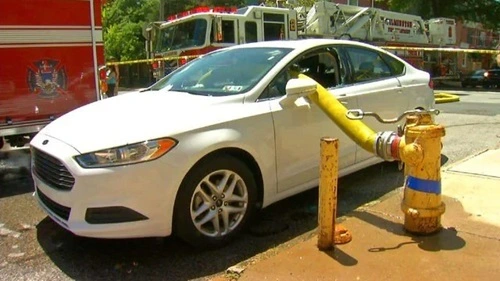
Fire hydrants play a critical role in firefighting efforts, and unrestricted access to them can mean the difference between containing a fire quickly or significant property damage and loss of life. Parking too close to a hydrant can delay first responders, making it a serious public safety issue.
General Rule: Distance Requirements
In most jurisdictions, parking is prohibited within 15 feet of a fire hydrant. This distance is measured from either side of the hydrant and applies whether the vehicle is parallel or perpendicular to the curb. Some states and cities may have variations:
- California: Prohibits parking within 15 feet of a hydrant unless the driver remains in the vehicle and can immediately move it.
- New York City: Enforces a 15-foot rule but allows exceptions at night for passenger vehicles (9 PM to 7 AM) if no fire restrictions are posted.
- Texas: Requires at least 15 feet of clearance.
Always check local ordinances to understand specific requirements in your area.
Exceptions to the Rule
While the general rule applies almost universally, there are rare exceptions:
- Marked Parking Zones: Some municipalities designate parking zones near hydrants for specific purposes, such as loading or unloading, but these are typically well-marked.
- Private Property: Parking near hydrants on private property may not be governed by the same rules, though blocking access could still lead to fines or towing.
- Emergency Situations: Law enforcement and emergency vehicles are typically exempt from fire hydrant parking restrictions during active emergencies.
Legal Penalties
Violating fire hydrant parking laws can result in various penalties, including:
- Fines: Parking fines range from $50 to $150, depending on the jurisdiction. For example, New York City imposes a $115 fine for such violations.
- Towing and Impound Fees: If your vehicle obstructs a hydrant, it may be towed, leading to additional fees for retrieval.
- Points on Your License: In some states, parking violations, including those near fire hydrants, may result in points on your driving record.
Enforcement and Common Misconceptions
Many people mistakenly believe it is acceptable to park near a fire hydrant if their vehicle is not obstructing the hydrant directly. However, even partial obstruction is illegal. Law enforcement officers frequently patrol for these violations, especially in densely populated areas.
In some instances, property owners or businesses may report vehicles parked near hydrants, particularly in urban areas with high fire risks.
Tips for Avoiding Violations
- Look for painted curbs: Many cities paint curbs red or yellow near hydrants to indicate restricted parking zones.
- Measure the distance: When in doubt, ensure your car is at least 15 feet away.
- Use parking apps: Some apps provide real-time updates on parking restrictions in your area.
Most Common FAQs
Q1. Can I park next to a fire hydrant if I stay in my car?
Ans: In most cases, no. Exceptions exist in some states, like California, where you must remain in the driver’s seat and be ready to move immediately.
Q2. How far must I park from a fire hydrant?
Ans: The standard distance is 15 feet in most states. Always check local laws for variations.
Q3. Can I park next to a fire hydrant on private property?
Ans: Private property may not have the same restrictions, but obstructing a hydrant could still result in fines or towing.
Q4. Are there higher penalties in certain cities?
Ans: Yes, cities like New York and Los Angeles impose higher fines due to the increased risk and limited street parking.
Q5. How do I know if I am too close to a hydrant?
Ans: When in doubt, pace out 15 feet or visually estimate the length of an average car to ensure you are far enough away.