Human smuggling is a serious offence under U.S. immigration law and is prosecuted aggressively by federal authorities. Yes. It is illegal to knowingly smuggle, transport, or assist in bringing a person into the United States unlawfully, including in Pennsylvania. Human smuggling is primarily governed by federal law rather than Pennsylvania law, and individuals convicted of these offences may face severe criminal penalties, including substantial fines and imprisonment. Depending on the circumstances, additional charges may also apply if the conduct involves fraud, organised criminal activity, or places another person’s safety at risk.
What Is Human Smuggling?
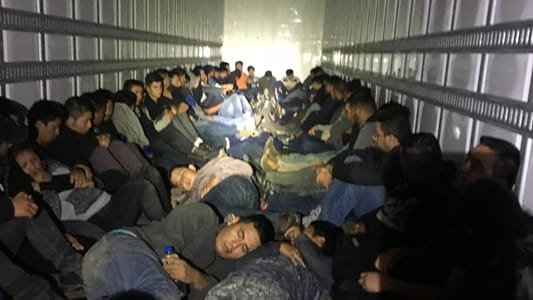
Human smuggling generally refers to knowingly assisting a person in entering or attempting to enter the United States illegally or helping facilitate an unlawful border crossing.
Examples may include:
- Transporting someone across the U.S. border without lawful authorisation.
- Arranging unlawful entry into the country.
- Organising transportation intended to bypass immigration inspection.
- Accepting payment to help someone enter the United States illegally.
- Coordinating with others to facilitate unlawful border crossings.
Whether particular conduct constitutes human smuggling depends on the specific facts and the applicable federal statutes.
Why Federal Law Applies
Immigration enforcement and border security are primarily the responsibility of the federal government.
Federal agencies involved in investigating human smuggling include:
- U.S. Customs and Border Protection (CBP).
- U.S. Immigration and Customs Enforcement (ICE).
- Homeland Security Investigations (HSI).
- The Department of Justice (DOJ).
Pennsylvania does not have separate laws authorising illegal border crossings or creating different rules for human smuggling. The same federal laws apply throughout the United States.
Potential Criminal Penalties
Human smuggling is treated as a serious federal crime.
Possible legal consequences may include:
- Federal criminal prosecution.
- Significant monetary fines.
- Lengthy terms of imprisonment.
- Asset forfeiture where authorised by law.
- Supervised release after imprisonment.
- Additional charges if other crimes were committed.
The exact penalties depend on factors such as the defendant’s conduct, criminal history, whether financial gain was involved, and whether anyone suffered injury or death.
Aggravating Circumstances
Certain facts may result in more severe penalties.
Examples include:
- Smuggling multiple individuals.
- Acting for financial profit.
- Using fraudulent travel or identity documents.
- Endangering the lives or safety of migrants.
- Involvement of organised criminal groups.
- Smuggling that results in serious injury or death.
Federal courts generally treat these circumstances as especially serious during prosecution and sentencing.
Human Smuggling vs. Human Trafficking
Although the terms are sometimes confused, human smuggling and human trafficking are different legal concepts.
Human smuggling generally involves facilitating unlawful entry into a country, often with the person’s consent.
Human trafficking typically involves exploitation through force, fraud, or coercion for purposes such as forced labour or commercial sexual exploitation.
A single case may involve both offences if the facts support multiple criminal charges.
Can Family Members Be Charged?
Possibly.
Helping a relative unlawfully cross the U.S. border may still violate federal immigration law. A family relationship does not automatically create an exception to criminal statutes governing human smuggling.
However, the facts of each case matter. Federal prosecutors evaluate issues such as intent, the individual’s actions, and the applicable legal provisions before deciding whether criminal charges are appropriate.
Why Legal Representation Is Important
Human smuggling investigations often involve complex issues of immigration law, criminal law, and constitutional rights.
Anyone under investigation or charged with a smuggling-related offence should promptly seek advice from a qualified criminal defence attorney experienced in federal cases. Legal representation is also important for individuals whose actions may have been misunderstood during an immigration investigation.
Early legal advice can help protect constitutional rights and ensure an appropriate response to federal investigators.
Preventing Legal Problems
Individuals can reduce legal risks by following immigration laws and avoiding involvement in unlawful border-crossing activities.
Important precautions include:
- Never assisting with illegal entry into the United States.
- Avoiding the use of fraudulent immigration documents.
- Refusing payment for unlawful transportation or border-crossing services.
- Cooperating with lawful immigration procedures.
- Seeking legal immigration options whenever available.
Following lawful immigration processes helps protect both individuals and public safety.
Conclusion
Smuggling a person across the U.S. border in Pennsylvania is illegal under federal immigration law. Individuals who knowingly participate in unlawful border-crossing schemes may face severe criminal penalties, including imprisonment, fines, and additional charges depending on the circumstances. Because immigration enforcement is a federal responsibility, the same legal standards apply nationwide. Anyone seeking to help another person enter the United States should use lawful immigration procedures rather than attempting to bypass federal immigration laws.
FAQs
Q: Is it illegal to smuggle someone across the U.S. border?
A: Yes. Knowingly helping a person enter the United States illegally may constitute a serious federal criminal offence.
Q: Does Pennsylvania have separate human smuggling laws?
A: No. Human smuggling is primarily prosecuted under federal immigration and criminal laws, which apply throughout the United States.
Q: Can someone be charged for helping a family member cross the border illegally?
A: Yes. A family relationship does not automatically exempt someone from federal laws prohibiting human smuggling.
Q: What penalties can apply to human smuggling?
A: Depending on the circumstances, penalties may include imprisonment, substantial fines, forfeiture of assets, and other criminal sanctions.
Q: Should someone under investigation for human smuggling hire an attorney?
A: Yes. Federal human smuggling cases are complex, and experienced legal representation is important to protect the individual’s rights and address the charges appropriately.