Some U.S. citizens consider giving up their citizenship for personal, financial, or international reasons, and questions often arise about whether doing so to reduce tax obligations is lawful. Yes and no. It is not illegal to renounce U.S. citizenship itself if all legal requirements are satisfied. However, if a person renounces U.S. citizenship as part of a scheme to evade taxes, commits tax fraud, or violates federal tax laws, they may face serious legal consequences. Because citizenship and federal taxation are governed by federal law, the same rules apply in Pennsylvania as they do throughout the United States.
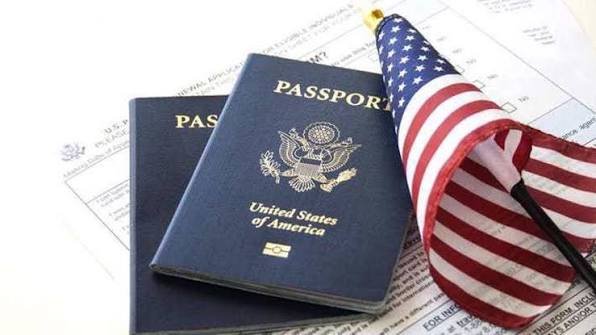
Understanding Renunciation of U.S. Citizenship
U.S. law allows eligible citizens to voluntarily renounce their citizenship if they follow the legal procedures established by federal law.
Renunciation generally involves:
- Appearing in person before a U.S. diplomatic or consular officer abroad.
- Signing the required forms.
- Demonstrating that the decision is voluntary.
- Understanding the legal consequences of renunciation.
- Receiving approval under the applicable federal procedures.
Once completed, the individual is no longer a U.S. citizen, although additional legal and tax consequences may still apply.
Is Renouncing Citizenship Illegal?
No.
Federal law permits eligible individuals to renounce U.S. citizenship. Simply giving up citizenship is not a crime.
However, the motivation behind renunciation can become legally significant if it is connected to unlawful conduct. Renouncing citizenship does not provide immunity from tax fraud investigations, unpaid tax liabilities, or other violations of federal law.
Tax Avoidance vs. Tax Evasion
Understanding the distinction between tax avoidance and tax evasion is essential.
Tax avoidance generally refers to arranging one’s financial affairs in a lawful manner to reduce taxes using legal deductions, credits, or planning strategies.
Tax evasion, by contrast, involves illegally concealing income, filing false tax returns, hiding assets, or engaging in fraudulent conduct to avoid paying taxes.
Renouncing citizenship does not legalise tax evasion or erase liability for taxes that are legally owed.
Federal Tax Rules After Renunciation
Some former U.S. citizens may continue to have federal tax obligations even after renouncing citizenship.
Depending on the circumstances, legal issues may include:
- Filing final U.S. tax returns.
- Reporting certain assets where required by law.
- Complying with federal tax reporting obligations.
- Potential application of federal expatriation tax rules.
The applicable rules vary depending on the individual’s financial circumstances and other legal factors.
Does Pennsylvania Have Different Rules?
No.
Pennsylvania does not determine whether someone may renounce U.S. citizenship or how federal tax laws apply after renunciation.
Citizenship matters are governed by federal law, while federal tax obligations are administered by the Internal Revenue Service (IRS). Pennsylvania may continue to apply its own state tax laws where appropriate, but the decision to renounce citizenship and the federal tax consequences are not controlled by Pennsylvania law.
Potential Consequences of Tax Fraud
If a person uses renunciation as part of a fraudulent effort to avoid taxes unlawfully, significant legal consequences may follow.
Possible consequences include:
- Civil tax assessments.
- Interest and monetary penalties.
- Federal tax audits.
- Criminal investigation.
- Criminal prosecution where supported by the evidence.
- Imprisonment for serious tax crimes.
- Continued liability for unpaid taxes.
The exact outcome depends on the facts, the applicable federal statutes, and whether unlawful conduct occurred.
Common Misconceptions
Several misconceptions exist regarding renunciation of citizenship.
One common misunderstanding is that giving up U.S. citizenship automatically eliminates all tax obligations. In reality, certain filing requirements and tax liabilities may continue to apply.
Another misconception is that renouncing citizenship prevents the government from investigating previous tax violations. Federal authorities may still investigate and pursue legal action for conduct that occurred before renunciation.
Why Legal Advice Is Important
Renouncing U.S. citizenship is a significant legal decision with immigration, tax, financial, and estate planning consequences.
Individuals considering renunciation should seek advice from qualified immigration attorneys and tax professionals before beginning the process. Professional guidance can help ensure compliance with federal law, explain reporting obligations, and identify any continuing legal responsibilities after citizenship is relinquished.
Conclusion
Renouncing U.S. citizenship to avoid taxes in Pennsylvania is not illegal if the renunciation itself complies with federal law. However, it is illegal to engage in tax evasion, tax fraud, or other unlawful conduct in connection with renouncing citizenship. Because citizenship and federal taxation are governed by federal law, the same legal rules apply nationwide, including Pennsylvania. Anyone considering renunciation should understand that the process does not automatically eliminate tax obligations and should obtain qualified legal and tax advice before making such an important decision.
FAQs
Q: Is it illegal to renounce U.S. citizenship?
A: No. Federal law permits eligible individuals to voluntarily renounce U.S. citizenship by following the required legal procedures.
Q: Can someone renounce citizenship to avoid paying taxes?
A: Renouncing citizenship does not automatically eliminate federal tax obligations, and it cannot lawfully be used to commit tax evasion or fraud.
Q: Does Pennsylvania have different rules for renouncing citizenship?
A: No. U.S. citizenship and its tax consequences are governed by federal law, not Pennsylvania law.
Q: Can the government investigate tax fraud after someone renounces citizenship?
A: Yes. Renouncing citizenship does not prevent federal authorities from investigating or prosecuting alleged tax violations that occurred before or in connection with the renunciation.
Q: Should I consult a lawyer before renouncing U.S. citizenship?
A: Yes. Because renunciation can have significant immigration, tax, and financial consequences, consulting qualified legal and tax professionals is strongly recommended.