Marriage to a U.S. citizen or lawful permanent resident is one of the most common ways to obtain lawful permanent residence, commonly known as a green card. Yes and no. It is not illegal to marry someone in Pennsylvania if the marriage is genuine, even if one spouse also hopes to obtain a green card through the relationship. However, it is illegal to enter into a marriage solely to obtain immigration benefits or to evade U.S. immigration laws through a fraudulent marriage. Because immigration is governed by federal law, the same legal standards apply in Pennsylvania as they do throughout the United States.
Understanding Marriage-Based Green Cards
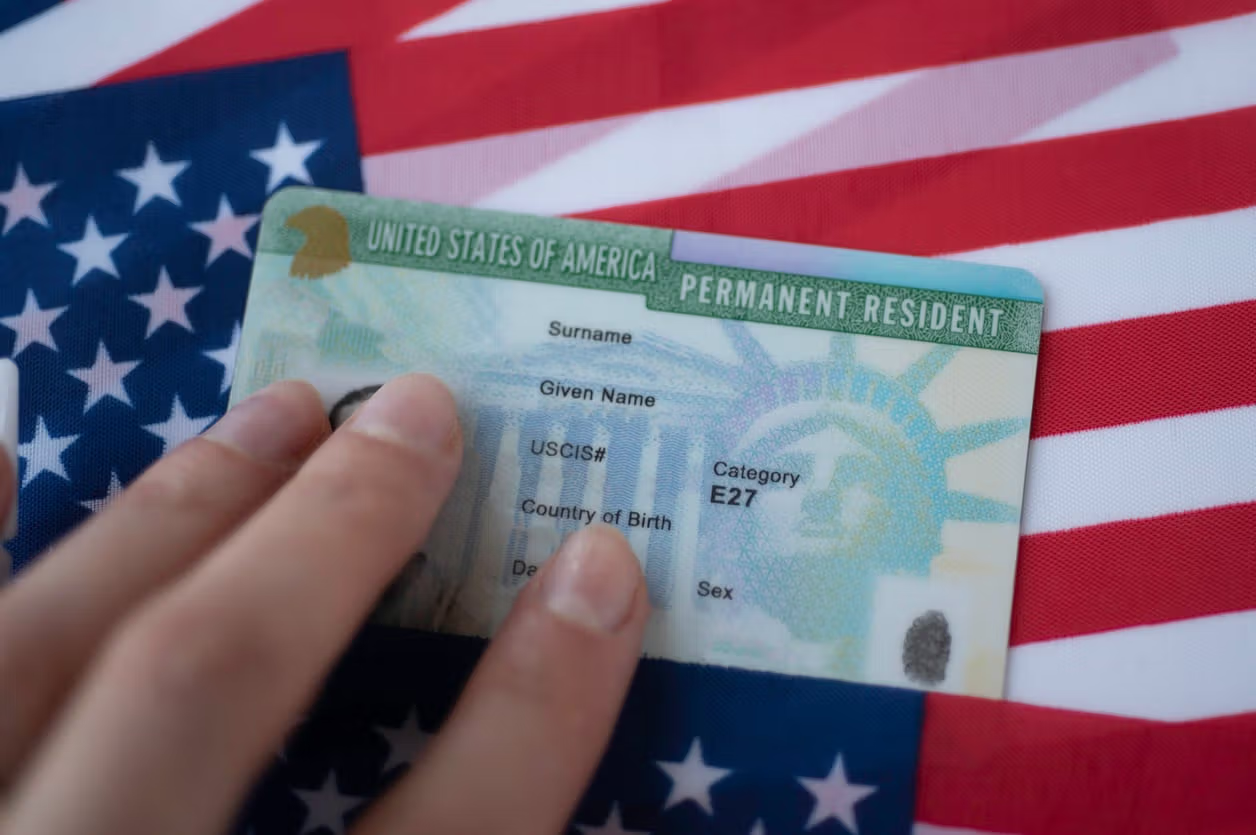
U.S. immigration law allows eligible U.S. citizens and lawful permanent residents to sponsor certain family members, including spouses, for permanent residence. This process is designed to keep families together while preventing fraud within the immigration system.
Obtaining a green card through marriage is not automatic. Applicants must submit detailed forms, provide supporting documents, attend interviews, and satisfy all legal requirements before permanent residence is granted.
When Does Marriage Become Illegal?
A marriage itself does not become illegal simply because one spouse hopes to obtain a green card. Instead, the legal problem arises when both parties knowingly enter the marriage without intending to build a genuine marital relationship.
Marriage fraud may involve situations where:
- One person pays another to marry.
- The couple agrees to divorce shortly after immigration benefits are approved.
- False documents are created to make the relationship appear genuine.
- The spouses never intend to live together as husband and wife.
- False statements are made during immigration interviews.
Knowingly participating in such conduct can violate federal immigration law regardless of where the marriage takes place.
Genuine Marriages Are Lawful
Many couples meet while studying, working, travelling, or through friends and family before deciding to marry. If their relationship is genuine and they intend to build a life together, applying for a marriage-based green card is entirely lawful.
The fact that immigration benefits result from a real marriage does not make the marriage fraudulent. USCIS recognises that obtaining lawful permanent residence is a natural legal consequence of many genuine marriages involving a U.S. citizen or lawful permanent resident.
How USCIS Evaluates Marriage Applications
Federal immigration officers review the totality of the evidence when determining whether a marriage is genuine.
Common evidence includes:
- Joint bank accounts.
- Shared leases or mortgage documents.
- Utility bills showing the same residence.
- Insurance policies listing both spouses.
- Photographs together over time.
- Travel records.
Most couples also attend an interview where immigration officers ask questions about their relationship, daily routines, finances, and future plans. Consistent and truthful answers help establish that the marriage was entered into in good faith.
Penalties for Marriage Fraud
Marriage fraud is treated as a serious federal offence.
Possible consequences include:
- Denial of the green card application.
- Removal (deportation) proceedings against the foreign national.
- Federal criminal prosecution.
- Monetary fines.
- Imprisonment.
- Permanent or long-term immigration consequences affecting future applications.
A U.S. citizen or lawful permanent resident who knowingly participates in a fraudulent marriage may also face criminal liability under federal law.
Does Pennsylvania Have Separate Rules?
No. Pennsylvania determines whether a marriage is legally valid under state family law, including licensing requirements and eligibility to marry. However, immigration benefits are governed exclusively by federal law.
As a result, a marriage may be legally valid under Pennsylvania law while still being considered fraudulent for immigration purposes if immigration authorities determine that the spouses never intended to establish a genuine marital relationship.
Conditional Green Cards
When permanent residence is granted to a spouse who has been married for less than two years, the individual generally receives conditional permanent resident status.
Before those conditions are removed, the couple usually must submit additional evidence demonstrating that the marriage continues to be genuine. This process provides immigration authorities with another opportunity to identify fraudulent marriages entered solely for immigration benefits.
Conclusion
Marrying someone for a green card in Pennsylvania is not illegal when the marriage is genuine and both spouses intend to establish a real marital relationship. However, it is illegal to enter into a sham marriage solely to obtain immigration benefits or deceive federal immigration authorities. Because immigration law is federal, the same legal standards apply throughout the United States, including Pennsylvania.
FAQs
Q: Is it illegal to marry a U.S. citizen for a green card?
A: It is illegal only if the marriage is entered into solely to obtain immigration benefits without intending to establish a genuine marital relationship.
Q: Can a real marriage lead to a green card?
A: Yes. A genuine marriage to an eligible U.S. citizen or lawful permanent resident may qualify a foreign spouse to apply for lawful permanent residence, provided all legal requirements are satisfied.
Q: Does Pennsylvania have different marriage immigration laws?
A: No. Pennsylvania governs marriage licences and family law, but green card eligibility is determined under federal immigration law.
Q: What happens if USCIS believes a marriage is fraudulent?
A: USCIS may deny the immigration application, begin removal proceedings where appropriate, and, in some cases, refer the matter for criminal investigation or prosecution.
Q: How can couples demonstrate that their marriage is genuine?
A: Couples typically provide documents showing they share a life together, such as joint financial records, housing documents, photographs, travel history, insurance policies, and other evidence demonstrating a bona fide marital relationship