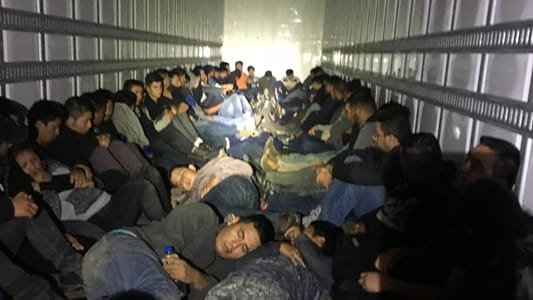
Access to public education is a fundamental issue that affects many immigrant families living in the United States. No. It is not illegal to enroll undocumented children in public schools in Pennsylvania. Under federal constitutional law, children generally have the right to attend public elementary and secondary schools regardless of their immigration status. Because this right arises under federal law and constitutional principles, Pennsylvania public schools generally cannot deny a child access to a free public education solely because the child or the child’s parents are undocumented.
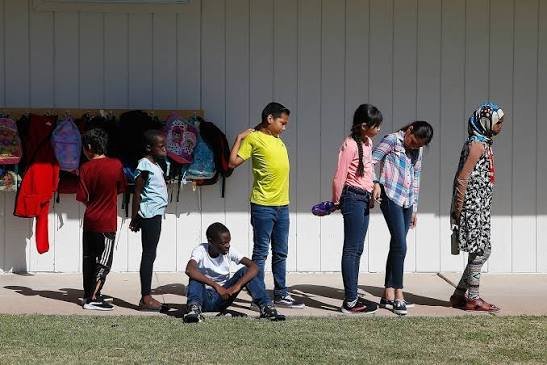
The Right to Public Education
The United States has long recognised that access to public education should not depend solely on a child’s immigration status.
Public elementary and secondary schools are generally required to provide eligible students residing within their attendance areas with access to education. This principle applies whether the student is a U.S. citizen, a lawful permanent resident, a temporary visa holder, or an undocumented child.
Does Pennsylvania Have Different Rules?
No. Pennsylvania operates its public school system under state education laws, but those laws must comply with the U.S. Constitution and applicable federal legal requirements.
As a result, Pennsylvania public schools generally may not deny enrollment solely because a student lacks lawful immigration status. The same constitutional protections that apply elsewhere in the United States also apply in Pennsylvania.
Documents Schools May Request
Although schools generally cannot require proof of lawful immigration status as a condition of enrollment, they may request documents needed to administer school enrollment properly.
These commonly include:
- Proof of the child’s age.
- Proof of residence within the school district.
- Immunisation records where required.
- Emergency contact information.
- Previous school records, if available.
If a family lacks certain documents, schools often have procedures for addressing those situations without automatically denying enrollment.
Is a Social Security Number Required?
In general, no.
Public schools generally cannot require a student to provide a Social Security number if doing so would effectively prevent enrollment based on immigration status. Schools may request identifying information for legitimate administrative purposes, but a lack of a Social Security number alone does not ordinarily prevent an otherwise eligible child from attending public school.
Families who have questions about documentation requirements should contact the local school district for guidance.
Can Parents Face Criminal Charges for Enrolling Their Child?
Simply enrolling an undocumented child in a Pennsylvania public school is not a crime. Parents are not committing an offence merely by seeking the education to which their child is generally entitled under federal constitutional law.
However, parents should always provide truthful information during the enrollment process. Submitting forged documents, using another person’s identity, or providing false residency information may create separate legal issues unrelated to the child’s immigration status.
Responsibilities of Families
Families enrolling children in public schools should:
- Provide accurate information whenever possible.
- Submit available residency documentation.
- Keep immunisation records current where required.
- Notify the school of emergency contacts.
- Update enrollment information if circumstances change.
Honest communication with school officials helps ensure that enrollment proceeds smoothly and in compliance with applicable laws.
Common Misconceptions
Several misconceptions surround school enrollment for undocumented children.
One common misunderstanding is that schools must report every undocumented student to immigration authorities. Public schools primarily exist to educate children, and enrollment decisions are generally separate from federal immigration enforcement.
Another misconception is that undocumented children are ineligible for public education. In reality, federal constitutional protections generally allow eligible children to attend public elementary and secondary schools regardless of immigration status.
When Legal Advice May Be Helpful
Although enrolling an undocumented child in public school is generally lawful, families facing broader immigration issues may still benefit from legal advice.
An experienced immigration attorney can explain available immigration options, answer questions about documentation, and help families understand how immigration matters may affect other aspects of their lives. Education law attorneys may also assist if a school enrollment dispute arises.
Conclusion
Enrolling an undocumented child in a Pennsylvania public school is generally not illegal. Federal constitutional law protects the right of eligible children to receive a public elementary and secondary education regardless of immigration status. Pennsylvania schools may request reasonable enrollment documents, such as proof of age and residency, but they generally may not refuse admission solely because a child or parent is undocumented.
FAQs
Q: Is it illegal to enroll an undocumented child in a Pennsylvania public school?
A: No. Eligible children generally have the right to attend Pennsylvania public elementary and secondary schools regardless of immigration status.
Q: Can a school require proof of lawful immigration status?
A: Generally, no. Public schools ordinarily cannot deny enrollment solely because a child lacks lawful immigration status.
Q: Does a child need a Social Security number to attend public school?
A: Generally, no. A lack of a Social Security number does not ordinarily prevent an eligible child from enrolling in a public school.
Q: Can parents get into legal trouble for enrolling an undocumented child?
A: Simply enrolling an undocumented child is generally not illegal. However, parents should avoid providing false information or fraudulent documents during the enrollment process.
Q: What should families do if a school refuses enrollment because of immigration status?
A: Families should request clarification from the school district and may wish to consult an education or immigration attorney if they believe the denial violates applicable law.