You expect answers after a serious medical mistake. Most families expect the right to file a lawsuit when negligence causes a death. But Florida law can make the process difficult very quickly.
Some families learn that state law limits who can recover damages in certain wrongful death cases. This discovery usually comes after weeks of grief, medical reviews, and legal meetings. By then, the process already feels exhausting.
Medical malpractice claims take time, expert opinions, and money. Then another legal barrier appears. Some surviving relatives may not qualify for non-economic damages, even when negligence seems clear.
This issue has fueled years of debate across Florida. Families, attorneys, doctors, and lawmakers still disagree over where accountability should begin and end after a preventable death.

Why Medical Malpractice Claims Get Complicated Fast
Medical malpractice lawsuits move slowly. You need records, timelines, expert testimony, and proof that a provider failed accepted standards of care. That sounds manageable at first. Then the paperwork starts piling up.
Hospitals and insurers usually have larger legal teams and outside experts ready to challenge claims. But many families struggle with investigation costs before the case even reaches court. These legal battles have also become more expensive in recent years.
The rising verdict amounts partly explain why. The American Medical Association (AMA) recently reported that medical malpractice verdicts worth $10 million or more have become more common across the country.
The AMA cited data from insurer The Doctors Co., showing that the average U.S. medical malpractice verdict topped $55 million in 2024. That figure stood at $32 million in 2022 and $48 million in 2023.
It also added that insurers worry these rising payouts could increase liability pressure across healthcare systems. That pressure now affects insurance costs, hospital policies, and malpractice reform debates in several states.
For grieving families, those larger policy arguments can feel far removed from reality. You’re usually focused on one question: whether someone failed your loved one during treatment.
Why Many Families Learn About These Limits After a Death
Florida’s wrongful death rules surprise many families. Some surviving relatives cannot recover non-economic damages in certain medical negligence cases. This law blocks compensation for emotional suffering and lost companionship.
Critics often refer to this issue as the Free Kill law in Florida. The phrase has gained attention because many families believe the law creates unequal treatment after fatal medical mistakes. This frustration has also fueled more public pressure recently.
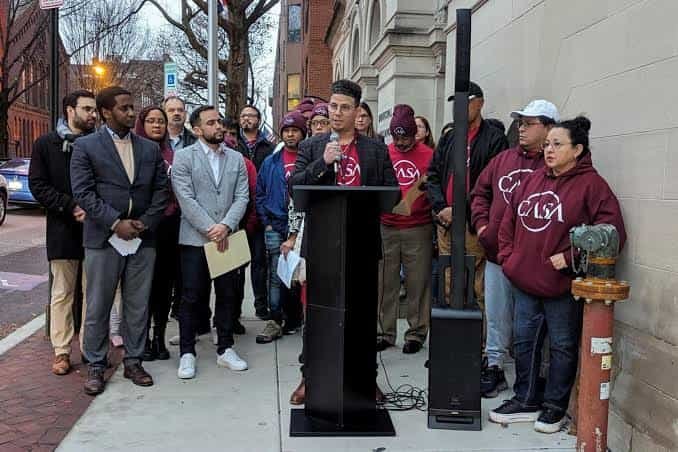
First Coast News covered a Floridian mother’s renewed efforts to repeal the law after losing her 25-year-old daughter in 2023. The Florida House previously approved a repeal bill, but the measure later stalled after Gov. Ron DeSantis vetoed it.
The issue still affects many families across Florida. Unmarried adults and parents of adult children face some of the biggest legal limits in these cases. Most families do not learn those details until after speaking with attorneys.
You may spend months searching for records and expert opinions. Then you hear that the law may block parts of the claim entirely. Many families say that realization feels like another loss layered onto the first.
Why the Financial Stress Often Continues for Years
Families have to deal with bills long after the funeral ends. Medical expenses, burial costs, and lost income can create pressure that lasts for years. Some people also miss work while handling grief, insurance disputes, and legal paperwork at the same time.
The emotional side can feel just as heavy. Many people want acknowledgement as much as compensation. They want someone to admit a mistake happened, but that rarely comes easily. These disputes have also become more expensive across the broader malpractice system.
Insurance Journal recently cited an S&P Global Market Intelligence report that called medical professional liability the most severity-pressured line in casualty insurance. It found that average claim severity reached about $151,768 per open claim in the accident year 2018.
The report also revealed that payments above $500,000 made up 36.5% of medical malpractice payouts in 2024, measured in real 2025 dollars. These rising costs influence malpractice debates across Florida and other states. Families involved in these cases often see the issue differently.
Many believe financial concerns should not outweigh accountability after preventable harm. This disagreement sits at the center of Florida’s malpractice debate. One side focuses on healthcare costs. The other focuses on families left without support after a death tied to negligence.
Why Florida’s Wrongful Death Debate Still Hasn’t Ended
Lawmakers in Florida still argue over whether these wrongful death limits should change. Some believe the law protects healthcare systems from rising liability costs. Others believe it leaves families without fair legal options.
The disagreement reached another stage after repeal efforts stalled this year. According to the Pensacola News Journal, Gov. Ron DeSantis planned to veto HB 6017, a repeal bill tied to Florida’s “Free Kill” law.
DeSantis warned that repeal efforts could “drive malpractice insurance premiums higher and increase healthcare costs statewide.” Lesser, Landy, Smith & Siegel, PLLC notes that Florida remains the only state that limits wrongful death recovery this way.
Families supporting the reform strongly disagreed. Many believe accountability should not depend on whether a person was married or had young children. Attorneys and patient advocates have repeated that argument during hearings and public discussions for years.
The issue keeps returning because the emotional stakes stay high. Every debate eventually returns to the same question. What happens when a family believes negligence caused a death, but the law limits what they can recover?
People Also Ask
Can you still sue for medical malpractice in Florida if wrongful death damages are limited?
Yes, some legal options may still exist. Families can sometimes recover economic damages, such as medical bills or funeral expenses. In certain situations, attorneys may also review whether the case qualifies as general negligence instead of medical malpractice, which can affect what compensation becomes available later.
Does Florida’s Free Kill law apply to car accidents?
No, this legal restriction applies only to medical malpractice cases. If your unmarried adult family member dies in a car crash, you can still file a standard wrongful death lawsuit. The state doesn’t extend these protective liability shields to regular drivers or everyday personal injury incidents.
Does Florida place a time limit on medical malpractice wrongful death lawsuits?
Yes. Florida generally gives families 2 years to file a medical malpractice wrongful death claim. The timeline usually starts from the date of death or when negligence becomes known. Missing that deadline can prevent a lawsuit completely, even if strong evidence of malpractice later appears.
Florida’s Medical Malpractice Debate by the Numbers
| National malpractice verdict trends | Average U.S. verdicts reached $55 million in 2024, rising from $32 million in 2022 and $48 million in 2023. |
| Repeal Efforts in Florida | A Florida mother renewed repeal efforts after losing her 25-year-old daughter in 2023. The Florida House previously approved a repeal bill before Gov. Ron DeSantis vetoed it. |
| Insurance industry cost pressures | Medical liability claims peaked at $151,768 per open case, with large payouts over $500,000 hitting 36.5% in 2024. |
| Concerns About Healthcare Costs | Gov. Ron DeSantis argued repealing the law could increase malpractice insurance premiums and raise healthcare costs statewide. |
| Florida’s Unique Wrongful Death Restriction | Florida remains the only state that limits wrongful death recovery this way in medical negligence cases. |
Why This Debate Still Matters to Florida Families
Most people never think about wrongful death laws until a medical tragedy hits their family. By then, the legal process already feels overwhelming. Florida’s malpractice restrictions add another layer of confusion.
You may prove negligence and still face limits on what damages your family can pursue. This reality continues driving public debate across the state. Healthcare groups continue warning about liability costs and provider shortages.
Families affected by these deaths keep pushing for accountability. These conversations are unlikely to stop soon. Understanding these legal limits early can help you ask better questions if your family ever faces a medical negligence case.