A commercial truck accident can leave victims facing serious injuries, mounting medical bills, lost income, and a long recovery process. While accident victims focus on healing, insurance companies often begin investigating the crash immediately with one goal in mind: limiting the amount they pay.
Understanding how insurance companies handle truck accident claims can help victims avoid common mistakes and better protect their rights.
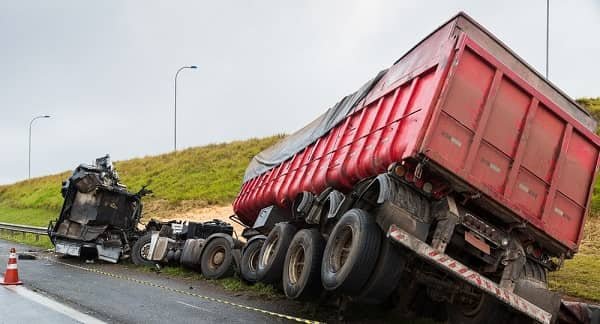
Why Truck Accident Claims Are More Complex
Truck accident cases are often more complicated than ordinary car accident claims. Commercial trucking companies carry substantial insurance policies, sometimes worth millions of dollars, because truck crashes frequently result in severe injuries and significant damages.
These cases may involve multiple potentially liable parties, including:
- The truck driver
- The trucking company
- Cargo loading companies
- Vehicle manufacturers
- Maintenance providers
Because several parties may share responsibility, multiple insurance companies can become involved, creating a complicated claims process for victims.
Common Insurance Company Tactics
Insurance companies begin building their defense almost immediately after a crash. Some of the most common tactics include:
Quick Settlement Offers
Shortly after an accident, an insurer may offer a settlement before the full extent of injuries is known. While accepting a quick payment may be tempting, these offers are often far below the true value of the claim.
Recorded Statements
Adjusters frequently ask victims to provide recorded statements. These conversations can later be used to challenge the victim’s version of events or minimize the severity of injuries.
Shifting Blame
Insurance companies often attempt to place some or all of the responsibility on the injured person. Depending on the laws of the state where the accident occurred, a finding of partial fault may reduce compensation.
Controlling the Evidence
Trucking companies and their insurers often have immediate access to important evidence, including driver logs, maintenance records, and electronic data from the truck. Without prompt action, valuable evidence may become more difficult to obtain.
The Importance of Black Box Data
Most commercial trucks contain electronic recording devices, often referred to as “black boxes.” These systems can provide critical information about the truck’s speed, braking activity, steering inputs, and other operational data before a collision.
This evidence can play a key role in determining fault. However, trucking companies often control access to this information, making early investigation essential.
Common Defenses Used by Insurance Companies
Even when liability appears clear, insurers may rely on various defenses to reduce payouts, including:
- Claiming the victim contributed to the crash
- Blaming weather or road conditions
- Arguing that mechanical failures were unavoidable
- Suggesting injuries existed before the accident
- Disputing the severity of medical treatment
Successfully countering these arguments often requires strong evidence and a thorough investigation.
Settlement vs. Litigation
Many truck accident claims settle without going to trial. However, because substantial insurance coverage is often involved, insurers may aggressively dispute liability or damages.
A strong claim typically includes:
- Police reports
- Medical records
- Witness statements
- Truck maintenance records
- Driver logs
- Electronic data from the vehicle
When insurance companies refuse to offer fair compensation, filing a lawsuit may become necessary. Litigation can also provide access to additional evidence that may not otherwise be disclosed during settlement negotiations.
Steps Victims Should Take After a Truck Accident
Protecting your claim starts immediately after the crash. Important steps include:
- Seek medical attention as soon as possible.
- Follow all recommended treatment plans.
- Take photos of the accident scene, vehicles, and injuries.
- Keep records of medical expenses and lost income.
- Avoid discussing the accident with insurance adjusters without legal guidance.
- Preserve any evidence related to the crash.
Prompt action can help strengthen a claim and prevent critical evidence from being lost.
Why Legal Representation Matters
Truck accident claims are often high-stakes cases involving powerful insurance companies and complex liability issues. An experienced attorney can help investigate the accident, preserve evidence, identify all responsible parties, and negotiate for fair compensation.
Insurance companies have teams of adjusters, investigators, and attorneys working to protect their interests. Having knowledgeable legal representation helps ensure that accident victims have someone protecting theirs.
Truck accident insurance claims are rarely straightforward. Multiple parties, extensive damages, and aggressive insurance tactics can make the process overwhelming for injured victims.
By understanding how insurance companies approach truck accident claims and taking steps to protect their rights, victims can improve their chances of securing the compensation they need to move forward after a serious collision.