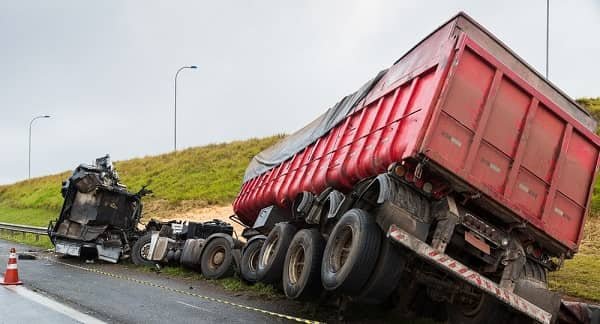
A truck accident often involves multiple factors that are not immediately clear at first review. Physical damage, differing accounts, regulatory requirements, and technical records all play a role in determining how the crash occurred and who may be responsible.
No single element provides a complete explanation, and conclusions are rarely straightforward without careful analysis.
This piece breaks down why truck accidents feel less like incidents and more like puzzles that take patience and skill to sort through.
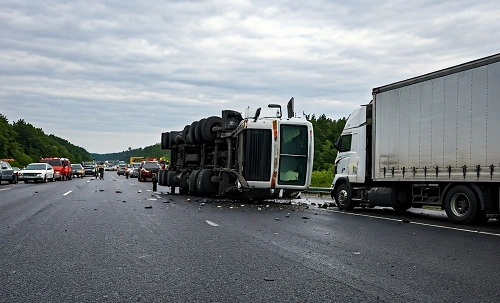
A Truck Accident Is Rarely Just One Event
A truck crash carries weight long before impact. Commercial trucks move under rules that go beyond normal driving laws, and their presence on the road changes how responsibility is measured. The vehicle’s size, the time spent driving, the cargo being carried, and the company behind the wheel all matter. Early assumptions often fall apart once these layers are examined.
Even before blame is discussed, the structure of a truck accident demands a deeper look. This is why trucking accident legal support often becomes part of the process early, not as a reaction, but to keep the case from drifting off course.
Multiple Stories Surface After a Truck Crash
Driver Statements and Immediate Reactions
Drivers are the first to speak, but they are rarely the final word. Stress affects memory, and shock can blur details. A truck driver may focus on speed or road position, while another driver may recall sounds or sudden movement. These early accounts are shaped by pressure and fear, not clarity. Over time, small differences in wording begin to matter more than people expect.
Witness Accounts and Their Limitations
Witnesses add another layer, yet their views are often partial. Some see the crash from far away. Others catch only the moment of impact. Memories change over time, and details fade or shift.
Even honest witnesses can disagree, which adds confusion instead of resolution. These accounts are pieces, not answers.
Physical Evidence Adds New Pieces to the Puzzle
Vehicle Damage and Crash Scene Clues
Physical evidence speaks quietly but firmly. Damage patterns reveal angles, forces, and movements that words cannot. Skid marks, debris placement, and road conditions help rebuild the sequence of events. This evidence often challenges early statements and fills gaps left by human memory.
Electronic Data and Truck Technology
Modern trucks record more than most people realize. Speed, braking, hours driven, and system alerts are stored and reviewed later. This data can confirm or contradict what drivers and witnesses remember. Reading it correctly takes care, as raw numbers without context can mislead rather than clarify.
Liability Extends Beyond the Truck Driver
The Trucking Company’s Role
The driver is only one part of a larger operation. Trucking companies set schedules, approve routes, and decide how closely safety rules are followed. Hiring practices and training programs shape how drivers perform on the road. These choices matter when responsibility is examined.
Third Parties That May Share Responsibility
Other parties often sit in the background. Maintenance teams, parts suppliers, and cargo loaders all influence safety. Poor repairs or uneven loading can shift control of the truck at critical moments. Responsibility spreads outward as these connections are uncovered.
Trucking Laws Create a Different Legal Framework
Truck accidents are governed by rules designed for commercial transport. Federal and state regulations govern driving hours, inspections, and load limits. These laws exist to protect everyone on the road, yet they also complicate fault.
A violation does not always cause a crash, but it can reshape how responsibility is assigned. Reading these rules alongside the facts takes steady focus.
Insurance Coverage Is Not Always Straightforward
Truck accidents rarely involve a single insurance policy. Coverage may come from the driver, the company, or separate insurers tied to cargo or maintenance. Each insurer reviews the crash through its own lens, often questioning responsibility to limit payouts. Delays and disputes become common as blame shifts between parties. Clear documentation becomes the anchor in this stage.
Early Documents Can Shape the Entire Case
Paperwork often arrives before clarity. Police reports, medical records, and repair estimates form the base of the claim. Small errors or missing details can echo throughout the process.
Once recorded, these documents influence how fault and damage are viewed. Careful review matters because early words carry long shadows.
Putting the Pieces Together Takes Strategy
Truck accident cases move differently from standard crashes. Evidence must align with rules, timelines, and responsibilities that stretch across people and systems.
Careful planning and trucking accident legal support quietly hold everything together, not through dramatic moves, but through steady attention to detail that keeps the puzzle from falling apart.
Wrap Up!
Truck crashes demand more than quick conclusions. They require patience, careful review, and respect for the number of pieces involved. Each document, rule, and record plays a role in shaping outcomes.
Seeing the full picture means accepting that no single story stands alone, and that real clarity comes only after every piece finds its place.