The journey from asylum to permanent residency can feel like stepping into a maze without a map. Each form, appointment, and deadline has its own rhythm, and small missteps can slow progress.
For many, the process starts with hope but quickly becomes a careful balancing act between paperwork, timing, and understanding the rules that guide U.S. immigration. Moving from asylum to a green card is not just about completing forms; it’s about navigating a system that demands precision at every step.
This guide walks through what you need to know to make the transition smoother and more predictable.
Step 1 – Confirm Eligibility for a Green Card
Not everyone granted asylum can apply for a green card immediately. Generally, an individual must have held asylum status for at least one year before applying for permanent residency. The rules also allow spouses and children included in the original asylum application to apply under the principal applicant.
Confirming eligibility early ensures you avoid wasted effort and missed opportunities. Consulting a professional with experience handling green card after asylum cases can help you understand your options and move forward with confidence regarding timing and documentation.
Step 2 – Gather Essential Documentation
Preparation is key. USCIS requires several documents to verify your identity, status, and background. Collecting these early prevents last-minute scrambling. Essential paperwork typically includes:
- Asylum approval notice
- Passport or other government-issued ID
- Proof of residence or address
- Employment or financial records
- Any prior immigration paperwork related to your case
Keeping everything organized in advance not only reduces stress but also demonstrates attention to detail to immigration officials.
Step 3 – Complete and Submit Form I-485
Form I-485, the Application to Register Permanent Residence, is central to the process. Completing it accurately is essential, as errors can result in delays or requests for additional information. Take your time with every section, double-check supporting documents, and avoid skipping questions. Remember, this is the document that formally requests your green card, so accuracy and completeness make a difference.
Step 4 – Pay Filing Fees and Understand Waivers
Form I-485 comes with associated fees, and submitting the correct payment is a step you cannot overlook. Applicants who meet certain financial criteria may qualify for fee waivers. Submitting the correct fee upfront or applying for a waiver ensures your application is processed without unnecessary delays. Mistakes in this step can put your application on hold and create additional complications.
Step 5 – Prepare for the Biometrics Appointment
After filing, USCIS schedules a biometrics appointment to capture fingerprints, a photo, and a signature. This step is straightforward but important. Arrive with required documents, ensure your information matches what you submitted on Form I-485, and be ready to follow instructions carefully. Biometrics are a security and identification step, and completing them properly keeps your application moving smoothly.
Step 6 – Respond Promptly to Requests
USCIS may request additional information or clarification. Responses should be timely, complete, and well-documented. Missing a deadline or submitting incomplete materials can slow your process or even risk denial. Organizing your documents, noting submission dates, and following instructions carefully helps maintain momentum. Common requests include:
- Clarification of employment history
- Additional identity verification
- Updated address or contact information
Staying proactive during this stage can prevent unnecessary delays.
Step 7 – Attend the Green Card Interview (If Required)
Some applicants may be asked to attend an interview. The goal is to verify information provided and confirm eligibility. Preparing thoroughly is important. Gather all supporting documents, practice answering questions clearly, and stay calm. A professional with experience in asylum and green card applications can guide you on what to expect and how to present your information confidently.
Step 8 – Receive Your Green Card
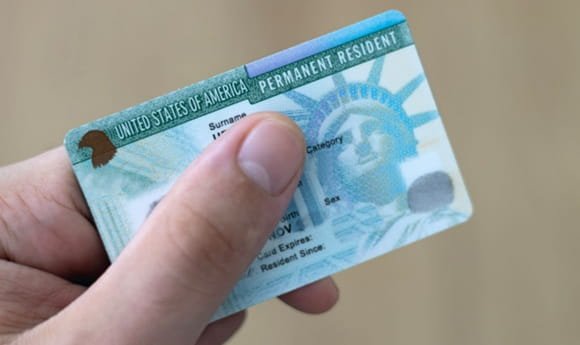
Once approved, your green card is issued. The official document confirms your status as a lawful permanent resident. After receiving it, make sure to update personal records, keep your green card safe, and understand your rights and responsibilities. While receiving the card is a milestone, ensuring it is correct and protected is equally important.
Common Pitfalls to Avoid
Mistakes in the green card process can slow or derail your application. Some common issues to watch for include:
- Submitting incomplete or incorrect forms
- Missing key deadlines or biometrics appointments
- Misplacing important documents
- Ignoring USCIS correspondence
By keeping detailed records, following instructions carefully, and staying organized, many applicants can prevent these common setbacks.
Wrapping It Up
Securing a green card after asylum requires patience, organization, and attention to detail. Each step, from confirming eligibility to receiving your card, builds on the previous one. Staying organized, responding promptly to requests, and understanding the process increases the likelihood of a smooth transition.
Taking the time to prepare documents, track deadlines, and follow instructions closely ensures your journey from asylum to permanent residency is as straightforward as possible.