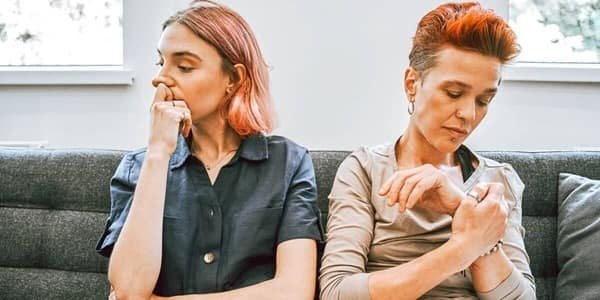
Divorce in South Carolina hurts. Same sex divorce can feel even heavier. You face the end of a marriage and the fear that the law may treat you differently. You might worry about old court cases, past discrimination, or judges who do not understand your life. You may wonder who keeps the home, how to share retirement, and what happens with children. You might also face questions about when the state first recognized your marriage and how that changes property rights. These are not abstract issues. They shape your future money, your time with children, and your sense of safety. A Mount Pleasant family lawyer can help you sort through these special issues. This blog explains what makes same sex divorce in South Carolina different, what stays the same, and what steps you can take now to protect yourself.
How South Carolina Recognizes Same Sex Marriage
Same sex marriage is legal in South Carolina because the United States Supreme Court said states must recognize these marriages. That ruling applies to every county. It also means state courts must treat same sex and different sex marriages the same under the law.
Yet the date the law changed still matters. Many couples lived as married long before the state recognized their union. That gap can shape what counts as marital property and what the court can divide.
You need to know three key dates.
- When you started your relationship
- When you held a ceremony or signed any papers
- When your marriage became legal under state or federal law
Courts often look to the legal marriage date when deciding what is marital property. That can feel unfair when you built a life together long before that.
Property And Money When The Law Recognized You Late
Property division in South Carolina is called equitable distribution. The court tries to split marital property in a fair way. It does not always split things in half. It looks at length of the marriage, income, health, and other facts.
For many same sex couples the hard part is what counts as marital property. You may have bought a home or saved for retirement before the state recognized your marriage. Yet you did that as a couple. The law may treat some of that as separate property. That can put one spouse at risk.
The table below shows how timing can change what the court may see as marital or separate property. This is a simple example. It is not legal advice.
| Item | When Acquired | Title In Whose Name | How Court May View It
|
|---|---|---|---|
| House | 5 years before legal marriage | Only one spouse | Often separate property. May have a marital share if both paid the mortgage after legal marriage. |
| Retirement account growth | Started before legal marriage. Grew during legal marriage. | Only one spouse | Growth during legal marriage can be marital. Earlier growth may be separate. |
| Car | 2 years after legal marriage | Only one spouse | Often marital if bought with marital income even if in one name. |
| Joint savings account | Built up both before and after legal marriage | Both spouses | Often treated as marital. Court may still look at source of funds. |
You can support your claim with clear records. Collect bank statements, deeds, loan papers, and retirement account records that show who paid what and when.
Children, Parentage, And Custody
Same sex divorces often raise hard questions about children. One parent may be a biological parent. The other may be a legal parent through adoption or a court order. In some families only one parent has legal status. That can cause deep fear.
South Carolina courts use the best interests of the child standard. You can read a clear list of factors in the South Carolina Code through the state legislature site at https://www.scstatehouse.gov/code/t63c015.php. The court looks at each parent’s role in daily care, stability, and safety.
Three key points often matter in same sex cases.
- Whether both parents are legal parents through birth, adoption, or court order
- How long each parent has cared for the child
- Any written parenting agreements you already follow
If only one parent has legal status the other may face loss of contact. That risk is very real. You can reduce that risk through formal adoption or parentage orders before any conflict starts.
Spousal Support And Unequal Work Histories
Many same sex couples made work choices under pressure from past bias. One spouse may have stayed quiet at work to keep health insurance for both. The other may have left the workforce to care for children because outside care felt unsafe. Those choices can leave one spouse with lower income and fewer benefits.
Spousal support in South Carolina depends on need and ability to pay. Courts look at length of marriage, income, health, and contributions to the home. When the legal marriage is short but the relationship is long the court may not see the full story.
You can present that story through records and testimony.
- Work history and pay records
- Evidence of who cared for children and the home
- Proof of health insurance coverage and who carried it
These facts can support a claim for spousal support or affect the amount and length of payments.
Domestic Violence And Safety Planning
Abuse can happen in any couple. Same sex survivors often fear that police or courts will not take them seriously. That fear can keep you from seeking help.
Protection orders in South Carolina apply regardless of gender. Law enforcement and courts must treat all survivors with respect. You can learn more about protective orders and safety planning through the National Domestic Violence Hotline at https://www.thehotline.org. That site is funded in part by the United States Department of Health and Human Services.
If you feel unsafe, plan first for safety. Then plan for divorce. Those steps can happen together but your safety comes first.
Steps You Can Take Now
You cannot change when the law recognized your marriage. You can still protect yourself. Three steps help most people.
- Gather records. Collect deeds, bank statements, retirement records, tax returns, and any adoption or parentage orders.
- Write your story. Note key dates for your relationship, marriage, home purchase, children’s births, and major money choices.
- Seek skilled legal help. Look for counsel with same sex divorce experience in South Carolina. Ask direct questions about their past cases.
Contact:
The Peck Law Firm
950 Houston Northcutt Blvd #201
Mt Pleasant, SC 29464
(843) 800-2928
Same sex divorce in South Carolina carries unique scars from past law and past bias. You deserve clear answers, fair treatment, and a plan that guards your money, your home, and your children. Careful steps now can reduce fear and bring steady ground during a painful time.