Yes, it is generally illegal to sleep in a public park, depending on local ordinances and park-specific regulations. While some parks allow camping in designated areas, most public parks prohibit sleeping overnight or extended stays.
The Legal Context of Sleeping in Public Parks
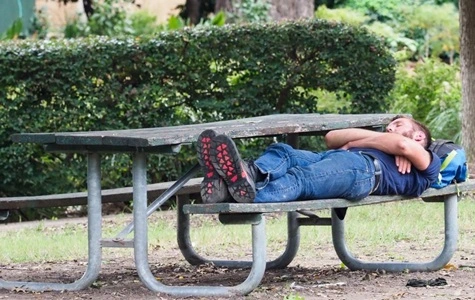
Public parks are managed by local, state, or federal authorities, each with its own set of rules. These regulations typically restrict certain activities, including sleeping, to maintain public safety, cleanliness, and accessibility for all visitors.
- Local Ordinances: Most municipalities have ordinances that prohibit sleeping in public parks, particularly overnight. These rules aim to prevent misuse of public spaces, reduce litter, and discourage unauthorized camping.For example:
- New York City: It is illegal to remain in most parks after they close, typically at dusk or 10 PM.
- Los Angeles: Municipal codes prohibit sleeping or camping in public parks unless authorized by a permit.
- State and National Park Rules: State and national parks often allow camping, but only in designated areas with proper permits. Sleeping outside these areas or without authorization can result in fines or removal by park rangers.
- Anti-Homelessness Laws: Many cities enforce laws against sleeping in public spaces, including parks, as part of broader anti-homelessness measures. These laws often target overnight stays or the use of parks as temporary shelters.
- Trespassing Laws: If a park is closed during certain hours, sleeping there may constitute trespassing. This is especially true for parks with posted signage indicating restricted access times.
Why Sleeping in Public Parks Is Restricted
The restrictions on sleeping in public parks serve several purposes:
- Safety: Ensuring parks remain safe for all visitors by deterring unauthorized activities.
- Maintenance: Preventing litter, vandalism, and damage to park facilities.
- Public Health: Reducing risks associated with unregulated overnight stays, such as waste accumulation.
Penalties for Sleeping in a Public Park
Penalties for sleeping in a public park vary depending on the jurisdiction and specific circumstances:
- Fines:
- Violations can result in fines ranging from $50 to $500, depending on the city or park authority.
- Repeat offenders may face higher fines.
- Warnings or Citations: In some cases, law enforcement or park rangers may issue warnings or citations instead of fines, especially for first-time violations.
- Eviction: Individuals found sleeping in a park after hours may be asked to leave immediately. Failure to comply can result in trespassing charges.
- Arrest: Persistent violations or failure to comply with law enforcement may lead to arrest, though this is usually reserved for extreme cases.
Exceptions and Permissible Situations
- Permitted Camping: Some parks allow camping in designated areas with appropriate permits. These permits specify the location, duration, and conditions for overnight stays.
- Special Events: Events like charity sleepouts or overnight festivals may allow sleeping in parks temporarily, provided the organizers obtain necessary permits.
- Emergency Shelters: During natural disasters or extreme weather, some parks may temporarily permit sleeping as part of emergency shelter programs.
Practical Tips for Avoiding Legal Issues
- Check Park Hours: Always confirm park closing times to avoid being there illegally.
- Obtain Permits: If camping is allowed, secure the necessary permits and follow all rules.
- Avoid Restricted Areas: Stay within designated areas for permitted activities.
Related Most Common FAQs
Q1. Can I sleep in a public park during the day?
Ans: Sleeping during the day is generally not prohibited unless it disrupts others or violates specific park rules.
Q2. What happens if I’m caught sleeping in a park after hours?
Ans: You may receive a warning, citation, or fine. In some cases, law enforcement may ask you to leave immediately.
Q3. Are there parks where I can sleep overnight?
Ans: Yes, some parks have designated camping areas where overnight stays are permitted with proper permits.
Q4. Can homeless individuals sleep in public parks legally?
Ans: In most cases, no. Anti-homelessness laws and local ordinances often prohibit sleeping in parks. Some cities provide designated shelters or services as alternatives.
Q5. What should I do if I need to sleep in a public park?
Ans: Look for parks with designated camping areas or emergency shelter programs. Contact local authorities or social services for guidance on legal options.