Yes, in most cases, it is illegal to drink in your car while parked, depending on the jurisdiction and specific circumstances. Open container laws and state statutes generally govern this activity, making it a complex legal issue.
Understanding Open Container Laws
Open container laws are regulations prohibiting the possession or consumption of alcoholic beverages in open containers in vehicles. These laws exist in all 50 states, but their enforcement and specifics can vary significantly. Generally, these laws apply whether the vehicle is moving or parked.
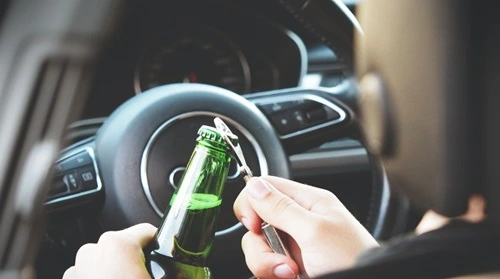
Under federal guidelines established by the Transportation Equity Act for the 21st Century (TEA-21), states are required to adopt certain open container provisions to receive federal highway funding. These guidelines mandate that open container laws apply to both the driver and passengers, whether the vehicle is in operation or stationary.
The Gray Areas: Jurisdictional Differences
While the broad answer is “yes,” there are nuanced exceptions:
- Private Property: If you are parked on private property, such as your driveway or another private lot, you may not be subject to the same open container laws. Local ordinances might still apply, however.
- State-Specific Exceptions: States like Mississippi do not have statewide open container laws for passengers, though drivers remain subject to DUI laws.
- Intent to Operate: A significant factor is whether the parked individual has the intent or capacity to operate the vehicle while under the influence. Courts often consider factors like the location of the keys or whether the engine is running.
Legal Penalties
Violating open container laws typically results in a misdemeanor charge, with penalties varying by state. Common consequences include:
- Fines ranging from $50 to $500.
- Points added to the driver’s license.
- In some states, potential jail time, especially for repeat offenders or those under the legal drinking age.
For example, in California, even passengers can be fined for drinking in a vehicle, while Texas enforces its laws uniformly for drivers and passengers.
Public Perception vs. Legal Reality
Many believe that being parked exempts them from these laws. However, law enforcement officers are trained to look for indicators of potential DUI risks, even in parked vehicles. If an officer finds an individual drinking in a car, they may investigate further to determine if the person intended to drive.
Notable Exceptions
- Motorhomes and Campers: In some states, drinking is allowed in motorhomes or RVs, but only in the living quarters, not the driver or front passenger areas.
- Rideshare and Limousines: Licensed commercial vehicles like limousines and party buses are often exempt from open container laws for passengers.
Practical Advice
- Avoid drinking in your vehicle, even if you’re parked, to prevent misunderstandings with law enforcement.
- Understand the specific open container laws in your state.
- If you need to consume alcohol in your car, ensure it is on private property, and you are not in the driver’s seat with the keys accessible.
Most Common FAQs
Q1. Can I drink in my car while parked on private property?
Ans: Yes, in many cases, drinking on private property is not covered by open container laws. However, local ordinances may still apply.
Q2. What happens if I’m caught drinking in a parked car?
Ans: You may face fines, a misdemeanor charge, or additional legal scrutiny to determine if you intended to drive.
Q3. Are passengers allowed to drink in a parked car?
Ans: In most states, passengers are also subject to open container laws, though there are exceptions for specific vehicles like limousines.
Q4. Does drinking in an RV or motorhome violate open container laws?
Ans: No, as long as the drinking occurs in the living quarters and not the driver’s area.