Yes, in most cases, it is illegal to drift in a parking lot. Drifting, which involves intentionally oversteering a vehicle to make it slide sideways, is often classified as reckless driving, trespassing, or disturbing the peace, depending on the location and circumstances. Engaging in this activity can result in fines, license points, or even criminal charges.
Why Drifting in Parking Lots is Illegal
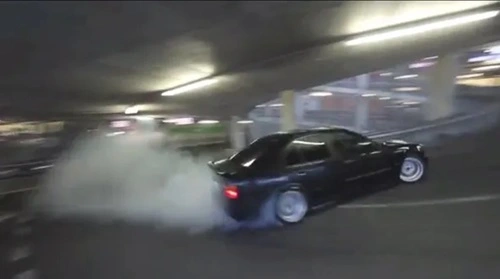
Drifting in a parking lot is typically prohibited due to the safety hazards and legal implications it presents. Here’s a detailed breakdown of the legal reasons and potential consequences:
1. Reckless Driving Laws
- Definition: Most states define reckless driving as operating a vehicle in a way that disregards the safety of others or property.
- Application: Drifting, which involves high speeds and loss of traction, is considered reckless driving because it increases the likelihood of accidents, property damage, and injuries.
2. Trespassing
- Private Property: Many parking lots are privately owned, and using them for unauthorized activities like drifting can lead to trespassing charges.
- Posted Signs: Even in empty lots, signs prohibiting unauthorized activities such as racing or drifting are legally enforceable.
3. Noise and Public Nuisance
- Noise Violations: Drifting produces loud tire screeches and engine revs, which may violate local noise ordinances.
- Public Disturbance: Creating a nuisance in public areas, including parking lots open to the public, can lead to citations or charges for disturbing the peace.
4. Endangerment
Drifting in parking lots, especially those open to the public, puts pedestrians, other vehicles, and property at risk. This can lead to liability claims or criminal charges if someone is harmed.
Where Drifting in Parking Lots is Prohibited
1. Public Parking Lots
- Government-Owned Lots: Parking lots owned by municipalities, schools, or other public entities typically prohibit drifting or similar activities.
- Retail and Commercial Lots: Shopping centers and malls enforce strict no-drifting policies to ensure customer safety.
2. Private Parking Lots
- Permission Required: Private property owners must provide explicit permission for drifting activities. Without it, drivers can face trespassing charges.
- Empty Lots: Even if a lot is vacant, drifting is usually not allowed unless the owner has granted specific approval.
3. Restricted Areas
- School and Hospital Zones: Drifting in parking lots near schools or hospitals is especially prohibited due to heightened safety concerns.
Penalties for Drifting in Parking Lots
Engaging in drifting activities in unauthorized locations can result in various penalties:
1. Fines
- Fines for reckless driving or trespassing can range from $100 to $1,000, depending on the jurisdiction and severity of the offense.
2. Points on Driver’s License
- Reckless driving often results in points being added to your driver’s license. Accumulating too many points can lead to license suspension.
3. Vehicle Impoundment
- Law enforcement may impound vehicles used in illegal drifting activities, particularly if the activity involves public safety risks.
4. Criminal Charges
- Misdemeanor Charges: Drifting is typically classified as a misdemeanor under reckless driving statutes.
- Felony Charges: If drifting causes serious injury, property damage, or involves street racing, charges may escalate to a felony.
Legal Exceptions and Safe Alternatives
While drifting in public or private parking lots is generally illegal, there are legal ways to enjoy this activity:
1. Designated Motorsports Venues
- Drifting is allowed in controlled environments such as racetracks or motorsports parks. These venues provide a safe space for enthusiasts to practice and compete.
2. Permission from Property Owners
- Private parking lot owners may grant written permission for drifting events, provided they meet safety and liability standards.
3. Drifting Events
- Participate in sanctioned drifting events organized by motorsports associations, where the activity is regulated and insured.
Recent Legal Developments
1. Stricter Penalties in Urban Areas
Cities such as Los Angeles and Atlanta have increased penalties for street racing and related activities like drifting, particularly in public parking lots.
2. Law Enforcement Surveillance
Many municipalities now use cameras and patrols to monitor parking lots for illegal activities, including drifting.
3. Insurance Consequences
Drifting in unauthorized locations may void insurance coverage if an accident occurs during the activity.
How to Avoid Legal Trouble While Drifting
- Use Designated Tracks: Join a local motorsports group or find a racetrack that allows drifting.
- Get Permission: Obtain written consent from property owners if you plan to use a private parking lot.
- Understand Local Laws: Familiarize yourself with reckless driving, noise, and trespassing laws in your area.
- Prioritize Safety: Ensure the area is clear of pedestrians, vehicles, and hazards.
Related FAQs
Q1. Is drifting illegal everywhere?
Ans: Drifting is not inherently illegal, but it is prohibited in most public or private parking lots without permission. Designated venues like racetracks allow drifting legally.
Q2. Can I drift in an empty parking lot?
Ans: No, even in an empty lot, drifting is typically illegal unless you have explicit permission from the property owner.
Q3. What happens if I get caught drifting?
Ans: You may face fines, points on your license, or criminal charges for reckless driving or trespassing. Your vehicle could also be impounded.
Q4. Are there legal places to drift?
Ans: Yes, motorsports parks, racetracks, and sanctioned drifting events offer safe and legal opportunities for drifting.
Q5. Can drifting void my car insurance?
Ans: If drifting in unauthorized areas leads to an accident, your insurance provider may deny coverage due to the illegal nature of the activity.