No, it is not illegal to record a conversation in Alabama if you are a participant in the conversation. Alabama is a one-party consent state under Alabama Code Section 13A-11-30, meaning that only one person involved in the conversation needs to consent to the recording. However, secretly recording a conversation you are not part of, or intercepting communications without consent, is illegal and can lead to criminal and civil penalties.
Understanding Alabama’s Recording Laws
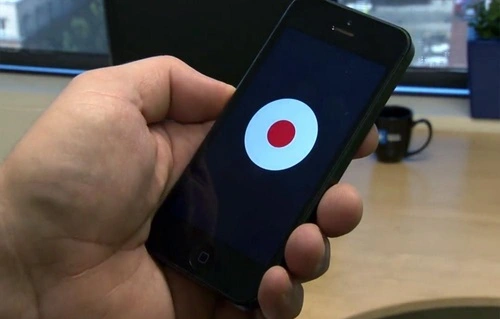
Alabama’s recording laws aim to balance privacy protections with the ability to document conversations when necessary. These laws apply to in-person, telephonic, and electronic communications.
1. One-Party Consent Rule
- If you are a participant in the conversation, you can legally record it without notifying or obtaining consent from the other parties.
- If you are not a participant, recording a conversation without the consent of at least one party is considered illegal interception or eavesdropping.
2. Public vs. Private Conversations
- Public Conversations: Conversations in public spaces, where there is no reasonable expectation of privacy, can generally be recorded legally without consent.
- Private Conversations: Recording private conversations, such as those in homes, offices, or on personal calls, requires the consent of at least one participant.
3. Types of Communications Covered
Alabama’s recording laws govern a variety of communication types, including:
- In-person conversations.
- Telephone calls, including mobile and VoIP communications.
- Audio portions of video recordings.
Penalties for Illegal Recording in Alabama
Recording a conversation without proper consent can result in both criminal and civil penalties.
1. Criminal Penalties
- Felony Charges: Unauthorized recording or interception of communications is a Class C felony in Alabama, punishable by up to 10 years in prison and fines of up to $15,000.
- Misdemeanor Charges: Less severe cases, such as minor eavesdropping violations, may result in misdemeanor charges with shorter jail terms and smaller fines.
2. Civil Liability
Victims of illegal recordings can file lawsuits seeking:
- Actual Damages: Compensation for financial losses or emotional distress caused by the recording.
- Punitive Damages: Additional damages to punish the offender and deter future misconduct.
- Injunctive Relief: A court order preventing further unauthorized recordings.
Exceptions to Alabama’s Recording Laws
Certain exceptions allow for recordings without one-party consent:
1. Law Enforcement
Police and other law enforcement officials may record conversations as part of investigations if they obtain a warrant or act under statutory exceptions.
2. Public Settings
Recording in public spaces, where no reasonable expectation of privacy exists, is generally allowed.
3. Emergency Situations
Recording may be permissible without consent if it is done to prevent or document a crime or an imminent threat to public safety.
Recent Legal Developments in Alabama
1. Digital Privacy Concerns
The increased use of smart devices and voice assistants has raised questions about inadvertent recordings. Alabama courts have clarified that such devices must comply with state recording laws if used for legal or public purposes.
2. Social Media and Digital Platforms
Sharing illegally recorded conversations on social media platforms has led to lawsuits in Alabama. Courts have imposed additional penalties for invasion of privacy and defamation in these cases.
3. Workplace Monitoring
Employers in Alabama are allowed to monitor workplace communications on company-owned devices, but they must notify employees of such practices to avoid legal challenges.
How to Legally Record Conversations in Alabama
- Be a Participant: Ensure you are part of the conversation you wish to record.
- Obtain Consent: If you are not a participant, obtain explicit consent from at least one party.
- Avoid Hidden Devices: Do not use hidden recording devices to capture conversations without proper authorization.
- Understand the Setting: Confirm whether the conversation occurs in a public or private space to determine privacy expectations.
Related FAQs
Q1. Can I record a phone call in Alabama without the other person knowing?
Ans: Yes, as long as you are part of the conversation, you can record the call without notifying the other person.
Q2. Is it illegal to record a conversation I am not part of?
Ans: Yes, recording a conversation you are not involved in without consent from at least one participant is illegal and considered a felony in Alabama.
Q3. Can employers record workplace conversations in Alabama?
Ans: Employers can monitor communications on company-owned devices, but employees must typically be informed of such monitoring.
Q4. Are public conversations protected by Alabama’s recording laws?
Ans: No, conversations in public spaces where there is no expectation of privacy are not protected.
Q5. What happens if someone records me without my consent?
Ans: If the recording violates Alabama law, you can file a criminal complaint or pursue a civil lawsuit for damages.