No, it is not illegal for individuals to adjust the pressure settings on their Continuous Positive Airway Pressure (CPAP) machines. However, such adjustments should be made cautiously and ideally under medical supervision to ensure both safety and therapeutic efficacy.
Regulatory Oversight and Legal Considerations
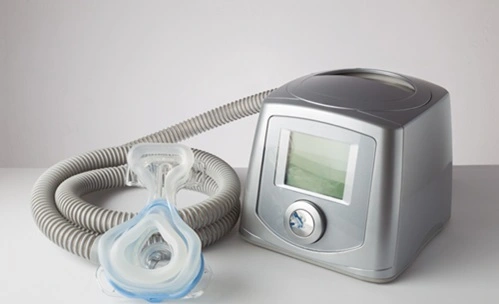
The U.S. Food and Drug Administration (FDA) classifies CPAP devices as Class II medical devices, necessitating a prescription for their use. This classification underscores the importance of professional medical guidance in their operation. While the FDA regulates the sale and distribution of CPAP machines, it does not directly oversee individual user actions, such as modifying pressure settings. Consequently, there are no specific federal laws prohibiting patients from altering their CPAP pressure settings.
Health Risks of Unsanctioned Adjustments
Altering CPAP pressure without medical consultation can lead to significant health risks:
- Ineffective Treatment: Incorrect pressure settings may render therapy ineffective, allowing sleep apnea symptoms to persist or worsen.
- Discomfort and Side Effects: Improper pressure levels can cause discomfort, nasal congestion, dryness, or even respiratory complications.
- Potential Complications: Inaccurate settings might lead to issues such as mask leaks, reduced adherence to therapy, and exacerbation of underlying health conditions.
Professional Guidance and Best Practices
To ensure optimal CPAP therapy outcomes:
- Consult Healthcare Providers: Always discuss any concerns or perceived inadequacies in therapy with a sleep specialist or healthcare provider before making adjustments.
- Regular Monitoring: Schedule periodic evaluations to assess the effectiveness of therapy and make necessary adjustments under professional supervision.
- Education and Training: Seek proper training on CPAP machine usage and maintenance to maximize therapeutic benefits.
Conclusion
While it is not illegal to change CPAP pressure settings independently, doing so without medical advice is strongly discouraged due to potential health risks. Collaborating with healthcare professionals ensures that CPAP therapy is both safe and effective, tailored to individual health needs.
Frequently Asked Questions
Q. Is it legal to adjust my CPAP pressure settings on my own?
Ans: Yes, there are no specific laws prohibiting individuals from adjusting their CPAP pressure settings. However, such changes should be made under medical guidance to ensure safety and effectiveness.
Q. What are the risks of changing CPAP pressure without consulting a doctor?
Ans: Adjusting pressure without professional input can lead to ineffective treatment, discomfort, and potential health complications.
Q. Can altering CPAP settings void the device warranty?
Ans: Unauthorized modifications may void the manufacturer’s warranty. It’s essential to review warranty terms and consult with the provider before making changes.
Q. How can I determine if my CPAP pressure needs adjustment?
Ans: Signs such as persistent sleep apnea symptoms, discomfort, or new side effects may indicate the need for adjustment. Consult a healthcare provider for evaluation.
Q. Are there legal implications for providers if patients change their CPAP settings?
Ans: Healthcare providers are responsible for prescribing appropriate settings. If a patient alters settings without consultation, it may complicate treatment outcomes, but there are generally no direct legal implications for providers.